
Life Operations · Concierge Case Note
The Reservation That Took a Year to Plan and Seconds to Book
One oddly specific dinner reservation + one very limited booking window = exactly the kind of thing worth outsourcing.
A note on privacy: This is a real JOAT case study. Certain identifying details have been intentionally omitted or generalized to protect client privacy. Discretion always comes first.
← Back to Journal entriesThe request
Almost a year before his wife’s 50th birthday, a client reached out with a very specific vision for the celebration: California wine country, a private dinner, and one restaurant in particular.
Not somewhere similar. Not just a really nice restaurant in Napa. He wanted THE French Laundry, on a prime Saturday evening, during one of the busiest times of year in wine country.
If you are not familiar, The French Laundry is Thomas Keller’s restaurant in Yountville and one of only 10 restaurants currently listed with three Michelin stars in California. Michelin notes that it has held three stars since the Guide first covered San Francisco in 2007. It was voted The World’s Best Restaurant in both 2003 and 2004 by The World’s 50 Best Restaurants and won the James Beard Foundation’s Outstanding Restaurant award in 2006.
And nearly a decade after its major renovation, the hype has very much not disappeared. When my booking window opened, dates started disappearing in seconds.
September also falls squarely in Napa Valley’s harvest season, which Visit Napa Valley describes as one of the busiest times of year in the region.
For the private dining experience we were targeting, this was already a several-thousand-dollar prepaid commitment before wine, upgrades, additions, or anything else entered the equation.
More importantly, this was his wife’s 50th birthday. He had reached out almost a year ahead because he knew exactly what he wanted and wanted to make sure it happened.
Technically, my task could have been written as one line: book dinner reservation.
In reality, it was a lot more involved than that.
The building has its own plot twist
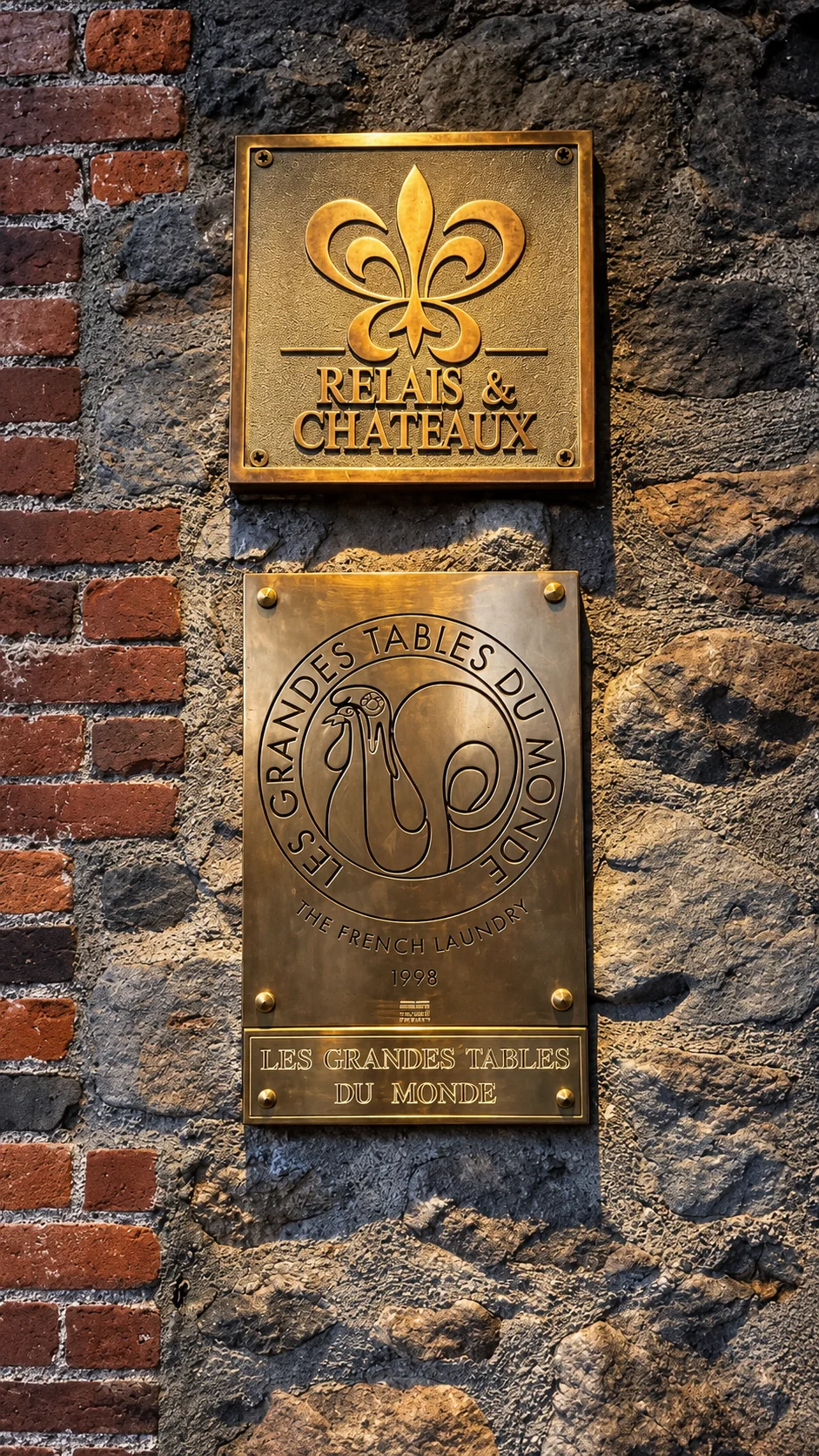
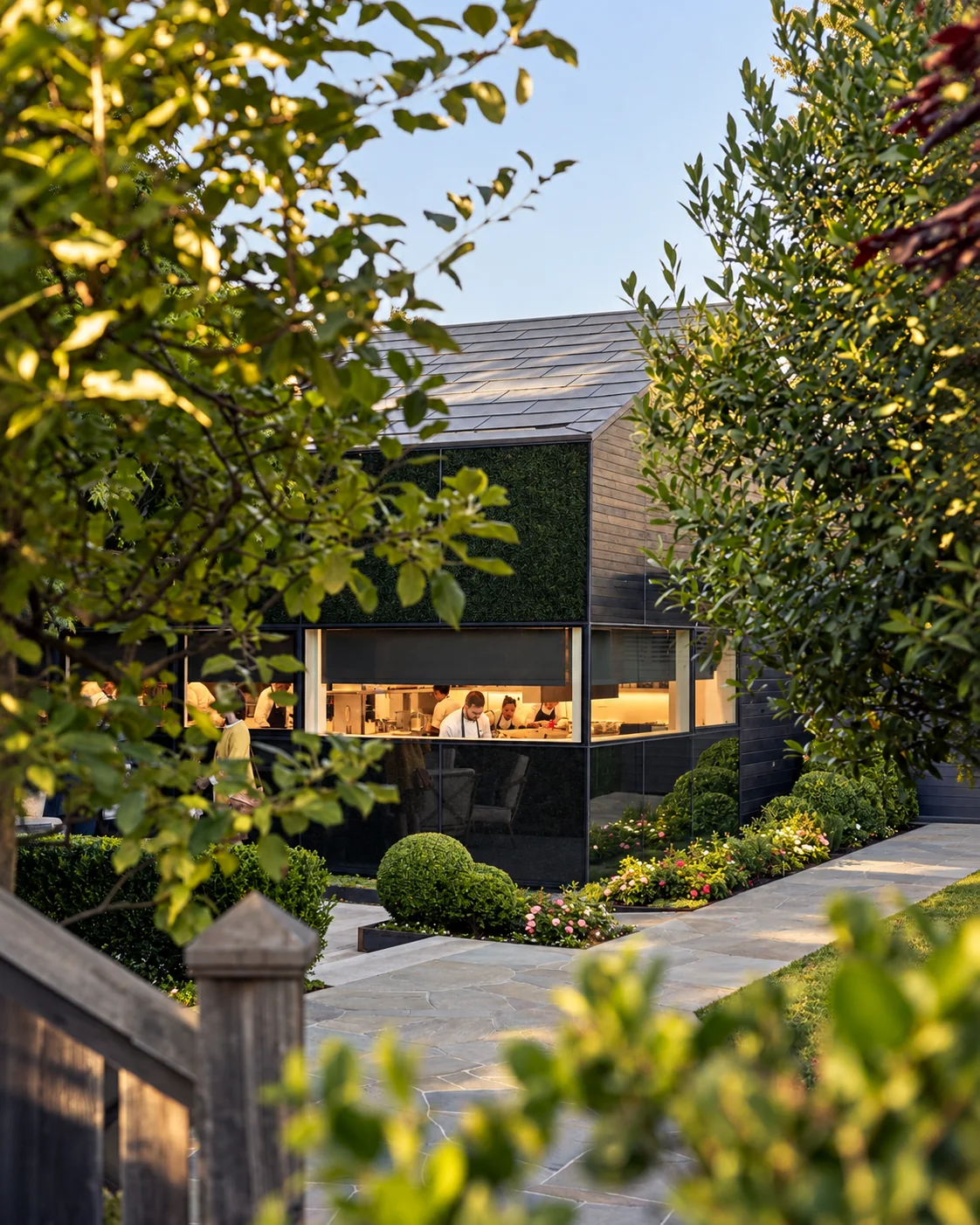
Historic wine-country landmark in the front. Almost futuristic kitchen in the back.
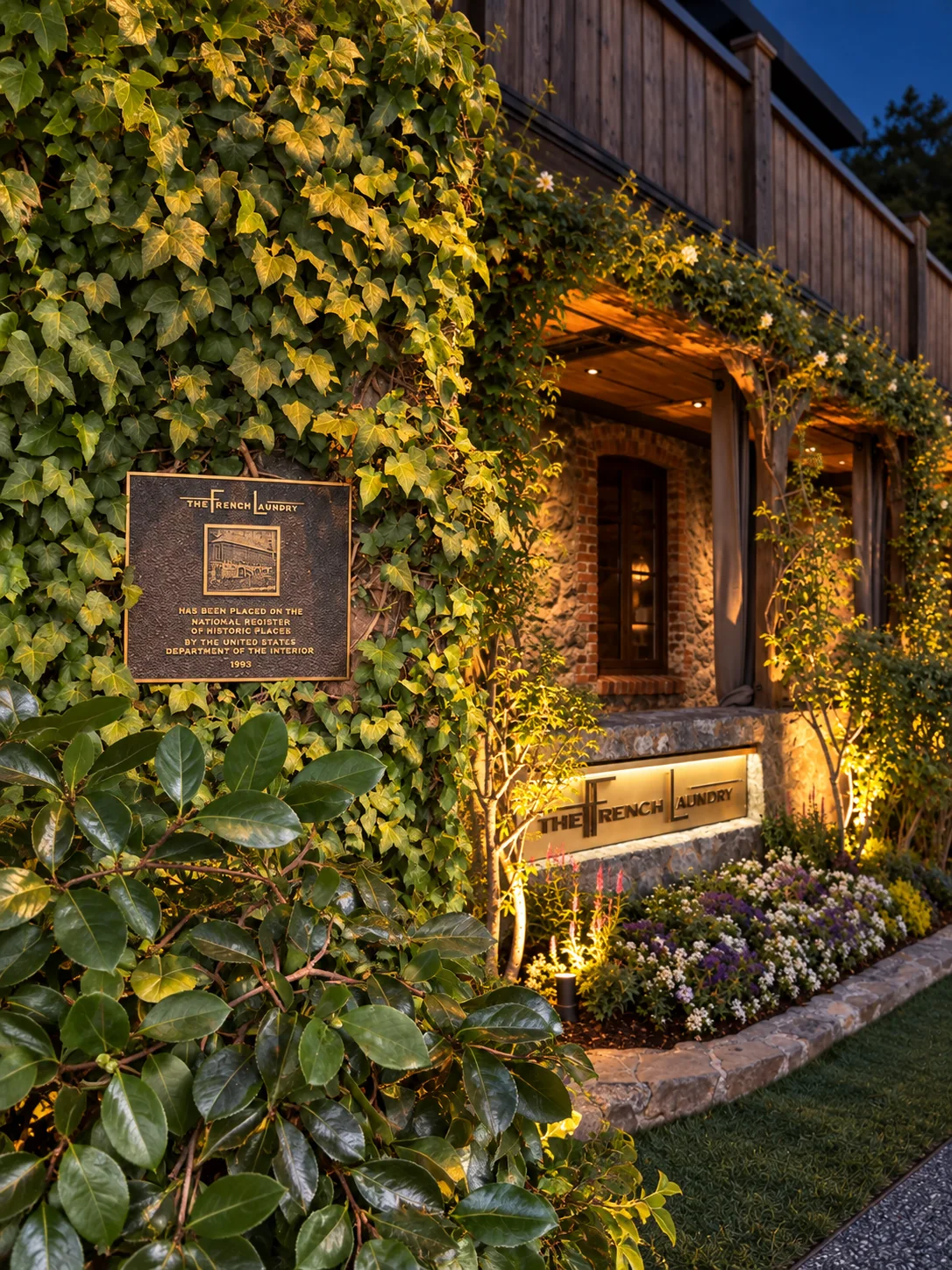
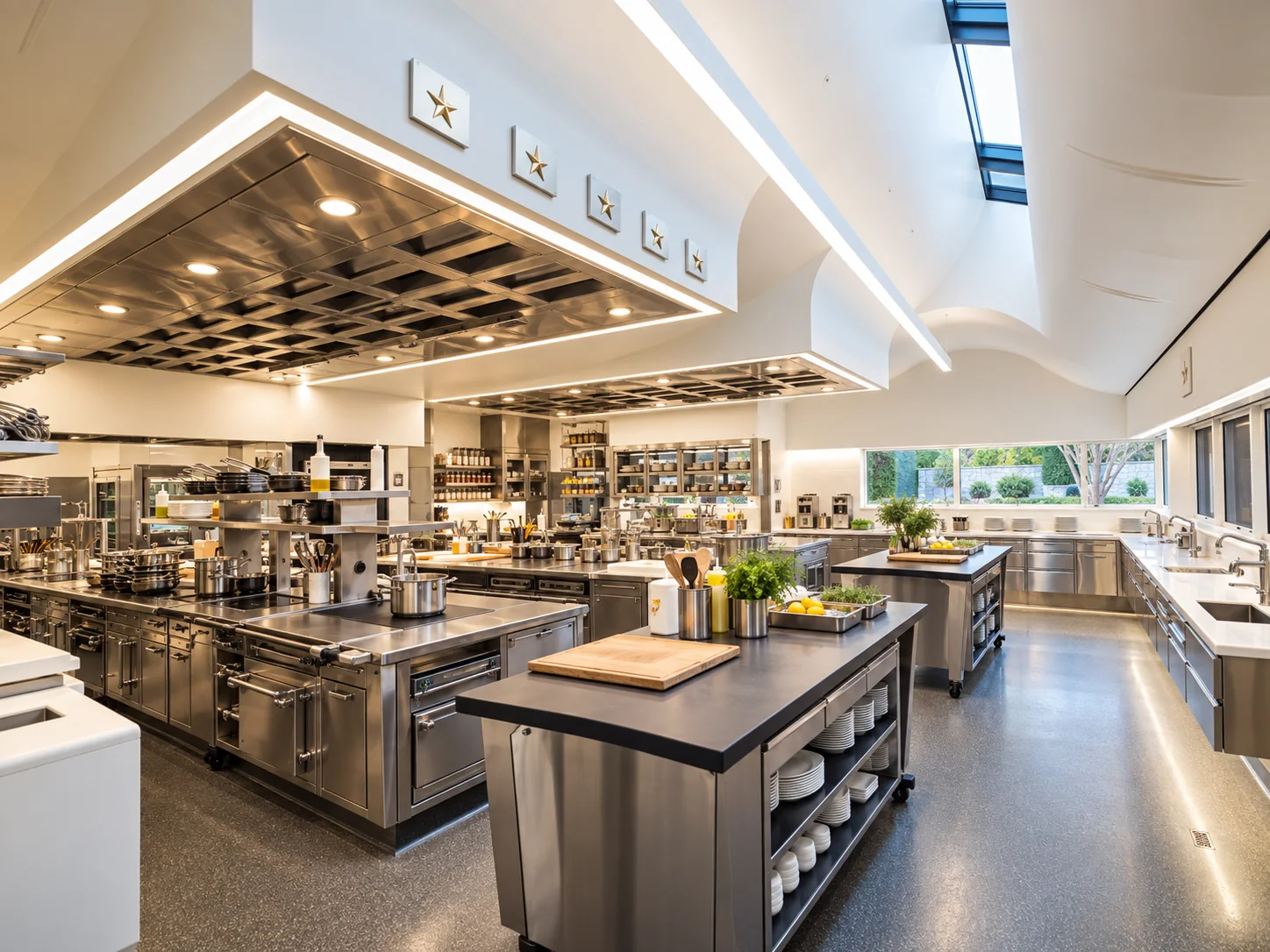
One of my favorite things about researching this was realizing how much the property itself tells the same story. The rose-covered historic building still looks like the romantic Napa landmark everyone recognizes; then you turn the corner and the newer kitchen is all charred wood, black glass, and precision. Snøhetta led the 2014–2017 kitchen and courtyard renovation, the first major overhaul of the site in more than two decades. Vogue featured the finished project in 2018. The juxtaposition is intentional. It does not erase the old French Laundry; it makes the contrast part of the experience.





Long lead does not mean low maintenance
The five-minute reservation we planned for almost a year.
A year of notice does not mean setting one reminder and forgetting about it.
When a request comes in that far ahead, it is tempting to think the work begins when the booking window opens. Ten-plus years of doing things like this has taught me the opposite.
A lot can change in a year. Reservation policies change. Release schedules change. Pricing changes. Group-size restrictions change. Restaurants change booking platforms, deposit requirements, private dining procedures, or even who handles larger parties.
So something like this does not disappear onto my calendar for eleven months while I hope Future Jenica remembers what Past Jenica was talking about.
It stays active.
I periodically checked the restaurant, confirmed that the process had not changed, watched for updates, and paid attention to anything that could affect our plans. The closer we got, the more frequently I checked.
I also do something that may sound slightly extra until you have actually needed it: I pay attention to the people and businesses involved.
That can mean following a restaurant on social media, keeping up with what they are doing, engaging genuinely when appropriate, and knowing who publicly handles guest relations, private dining, events, or hospitality.
Not because liking three Instagram posts magically earns you a reservation. It does not.
But relationships matter, and I learned that one through experience.
So that is the very long-winded way of saying that what looks on a task list like “make dinner reservation” can actually mean months of monitoring, hours of research, periodic check-ins, multiple messages, relationships, backup planning, and serious intention before anyone ever sits down at the table.
And then the clock starts
Then reservation day actually arrives.
As August 1 got closer, I started going deeper.
I watched an embarrassing number of videos from people who had successfully booked The French Laundry. I read articles, looked through tips, and paid just as much attention to what people said had gone wrong as I did to what had worked.
At the time I was booking, September reservations were released through Tock on August 1 at 10:00 a.m. Pacific. That meant all of the planning eventually came down to one extremely small window.
And because I live in Texas, 10:00 a.m. Pacific meant noon for me.
Time zones: another tiny detail that becomes a very expensive mistake if you get it wrong.
Before that morning, I already knew the client’s first-choice date and time, acceptable backup dates and times, party details, whose name everything needed to be under, which card I was using, and the order in which I wanted to grab the options if multiple dates appeared.
The account was ready. Payment information was saved. Autofill was set up. I did not want to lose a reservation because I was sitting there typing a billing address while somebody else was checking out.
There was, however, one other thing sitting quietly in the back of my mind.
The fraud alert.
I had used one of this client’s cards before for an entirely legitimate purchase: their own name, their own billing address, shipping to their own home, their phone number, their email. Nothing strange about the transaction whatsoever.
Fraud alert.
They had made larger purchases before, including concert tickets, but I knew from experience that certain transactions could still suddenly trigger verification, and I did not have the luxury of pausing in the middle of a reservation disappearing in real time to embark on a banking side quest.
So somewhere in the back of my brain, while planning all of this, was:
If this card decides that TODAY is the day it wants to protect them from themselves, I am absolutely f***ed.
We simply did not have time for that plot twist.
And yes, this had been on my calendar for months. In multiple places. With multiple alerts. Plenty of advance warning.
I was prepared.
You would think that would make the actual day easy.
It did not.
A lot can happen between “I put it on the calendar” and August 1.
By the time that carefully planned morning actually arrived, it had somehow landed in one of the busiest stretches of my year and one of the busiest parts of that particular day.
- Sick toddler at home
- Houseguests in town
- Water damage downstairs
- Repair + cleanup coordination
- Hotel logistics for everyone
- Back-to-back calls
- 12:15 doctor’s appointment
- A reservation opening at noon
I work from home, and at the time I still had a toddler home with me during the day. He happened to be sick. We had guests in town.
And because apparently the day needed another storyline, an upstairs plumbing issue had caused water damage downstairs, which meant the house was temporarily not somewhere we were all going to comfortably stay.
So while preparing to secure a several-thousand-dollar dinner reservation in California, I was also coordinating the people who needed access to the house, dealing with repairs and cleanup, figuring out hotel logistics for everyone, getting people moved over there, and trying to keep a sick toddler comfortable through all of it.
Very chic. Very luxurious.
I also had two back-to-back calls in the run-up to the reservation window, one at 9:30 and another at 10:00, plus an in-person doctor’s appointment for my son immediately afterward.
The reservation opened at noon my time.
His appointment was at 12:15.
The doctor’s office was about a ten-minute drive away without accounting for getting a sick toddler dressed, gathering all the things toddlers apparently require to leave a building, getting him physically into the car seat, getting myself into the car, and actually pulling out of the driveway.
So when I say there was no extra time, I mean there was no extra time.
And this is actually one of the most important parts of the story.
I had done everything right.
I had known about this almost a year in advance. I had researched it. I had checked for changes. I had it on my calendar. I had multiple alerts. I knew exactly when the reservation opened and exactly what needed to happen when it did.
Life still managed to arrange a sick toddler, houseguests, water damage, repair logistics, hotel logistics, back-to-back calls, and a doctor’s appointment around the same tiny reservation window.
Because that is what life does.
You can fully intend to handle something yourself and still have your entire day rearranged before breakfast. A meeting changes. Your flight is delayed. Your child wakes up sick. Something breaks at the house. Someone needs you urgently. Something that was nowhere on your calendar yesterday becomes the single most important thing you need to deal with today.
The thing you cared about six months ago does not suddenly stop mattering because something more urgent appeared this morning.
That is where having somebody else carrying the details becomes incredibly valuable.
Screens officially live
The four-device operation.
So I built myself a reservation command center.
By about 9:50 a.m. Pacific, everything was open and ready.
I had Tock pulled up on my computer, my main phone, my backup work phone, and another older phone that essentially lives on Wi-Fi for situations exactly like this.
My significant other happened to be working from home that day too. He was in a virtual meeting, but yes, he also had it open on his phone as an additional backup.
So technically there were even more screens involved than the title of this article admits.
But my four-device operation was officially live.
At 10:00 a.m. Pacific, I refreshed everything.
And I swear, within what felt like five seconds, most of the month was already gone.
I remember looking across the screens and seeing maybe seven dates still available for the entire month.
Of the dates we had already discussed and prioritized, only two were still showing, including their number-one preferred Saturday.
This is exactly why we had made the decisions beforehand. There was no time to pause and text, “Hey! These are the dates I see. Which one do you want?”
By the time they responded, we would have been discussing dates that no longer existed.
I knew the order. I knew the preference. I knew my authority.
I just needed to execute.
I went straight for their first-choice date on my main phone and started moving through checkout as quickly as I possibly could. At the same time, I was working the other devices and trying to protect our backup options.
One screen seemed to be loading. On another device, I clicked the third-choice backup and almost immediately got the message that somebody else had already snagged it.
This was happening that fast.
Meanwhile, my main phone had gotten me into the reservation we actually wanted. I was moving through checkout as quickly as possible and finally hit submit.
Then I got the message nobody wants to see.
The reservation was no longer available.
Someone had gotten it first.
For about half a second, my heart dropped.
Then I looked at the older backup phone and realized the person who had gotten it first was also me.
One of my other devices had gotten far enough ahead in the process to grab the first-choice reservation and was sitting there ready to finish it. While I was bouncing between screens, watching one load, trying to protect a backup, and racing through checkout on my main phone, one of my own backup devices had beaten me to the reservation.
The table I thought somebody else had just taken from me had, in fact, been taken by me.
On another phone.
BABY, WE GOT IT!!!!!!!!!!!!!!! 🥂🎉
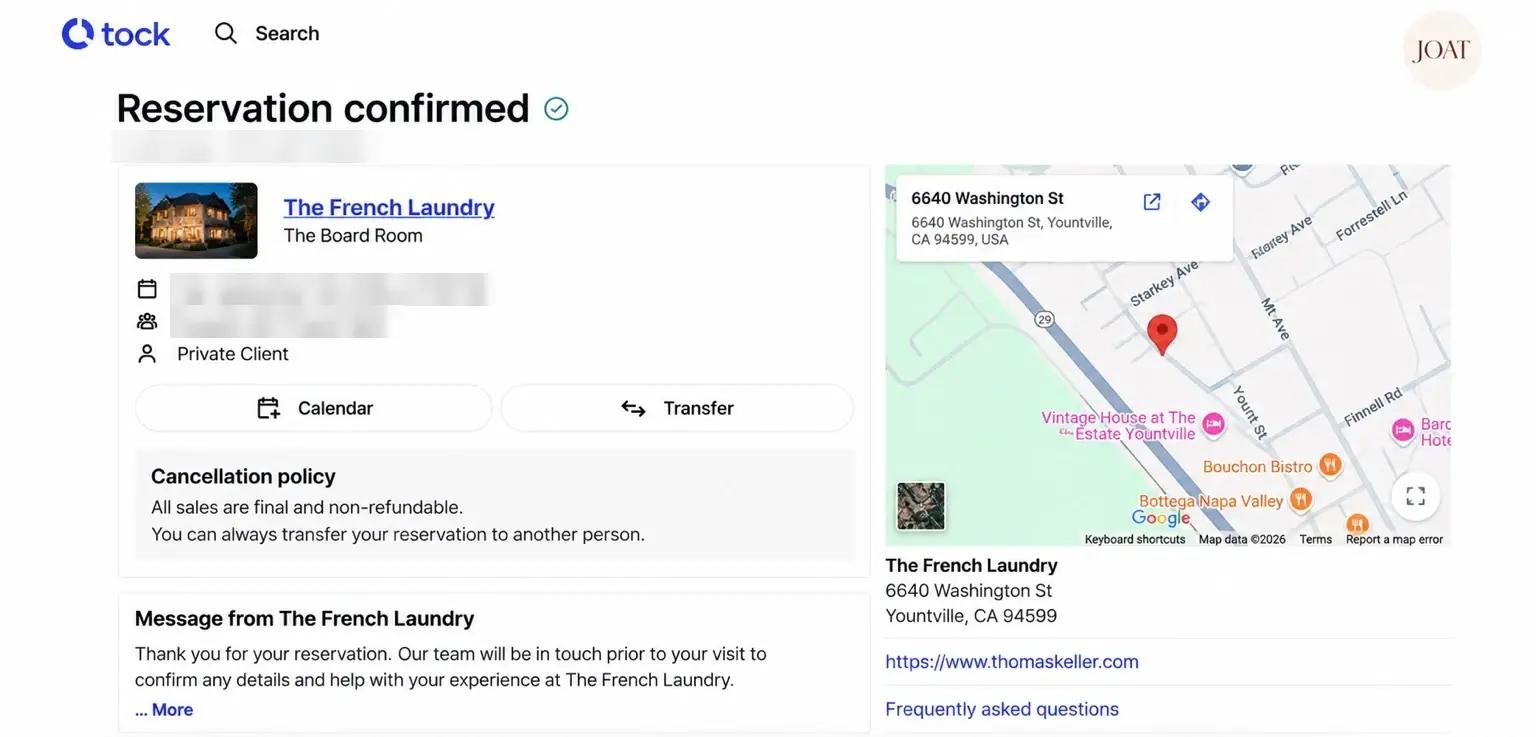
I cannot properly explain how excited I was about a dinner reservation I was not even attending.
The funniest part is that this entire story probably takes longer to read than the actual booking window lasted.
From refresh to confirmation, it was pure chaos happening in seconds. But because the dates, priorities, spending parameters, payment information, party details, and backup options had all been worked out in advance, I did not need to stop and think in the moment.
I needed to use my judgment and move.
That is what all the work beforehand was for.
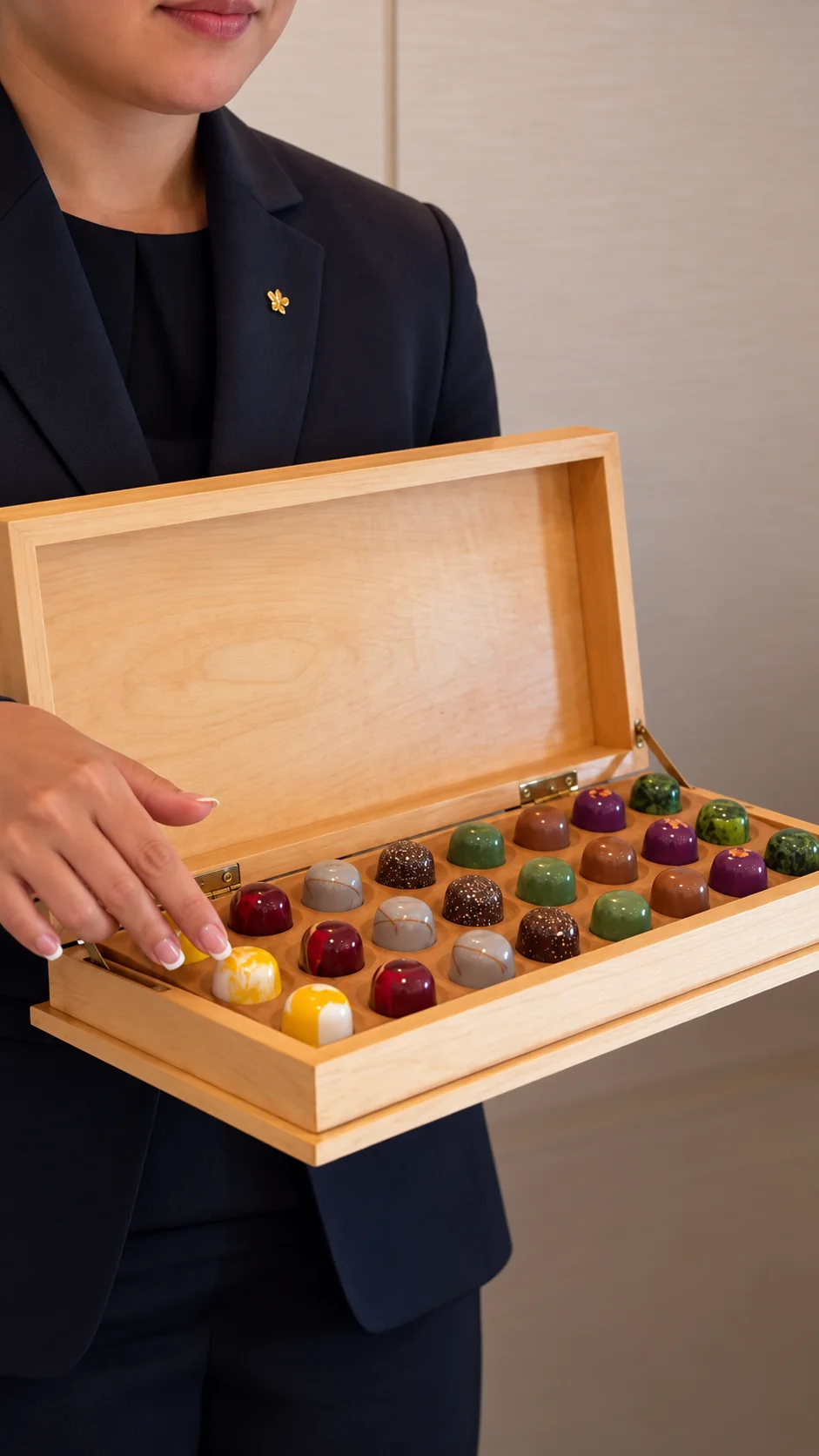
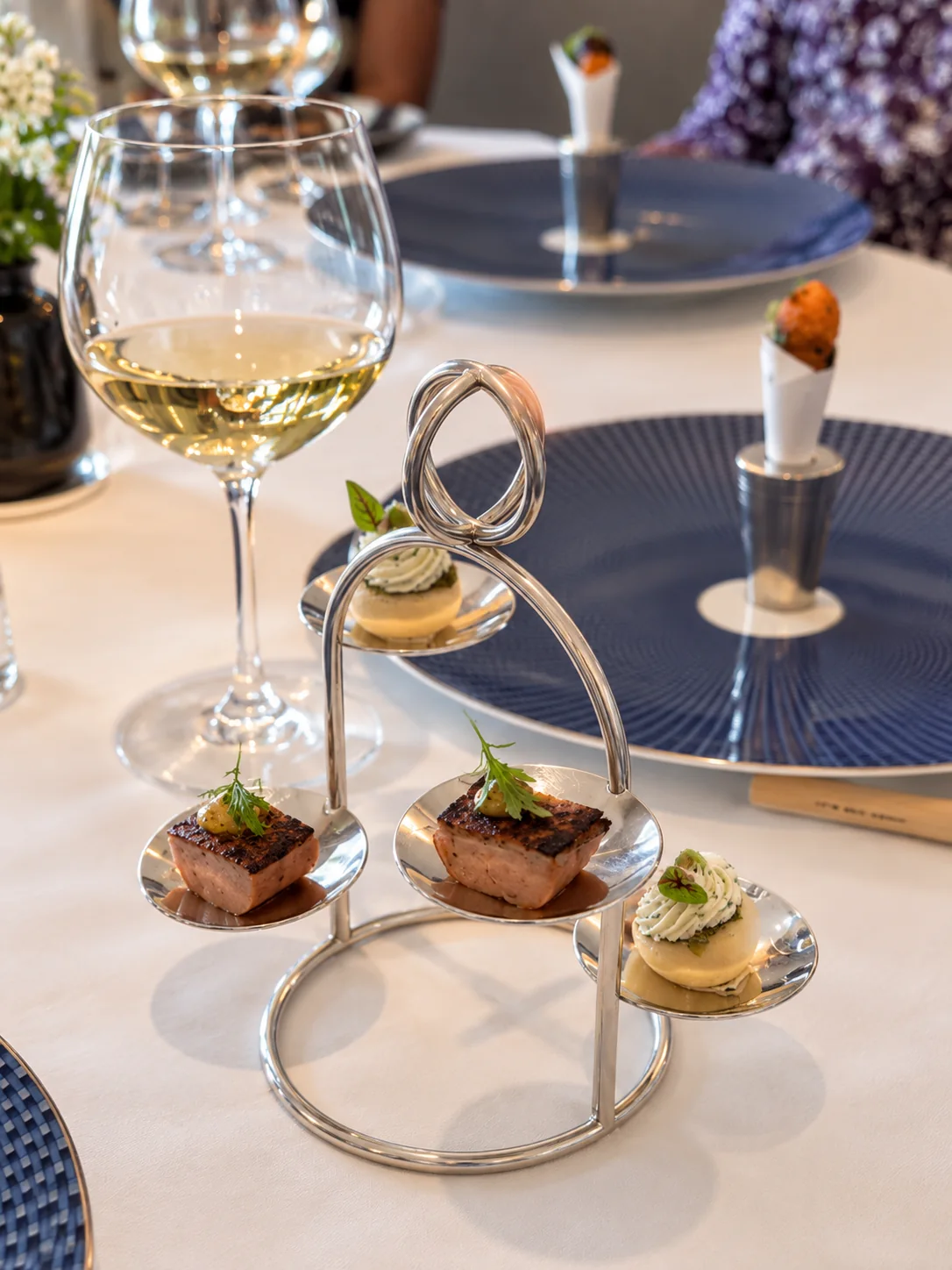
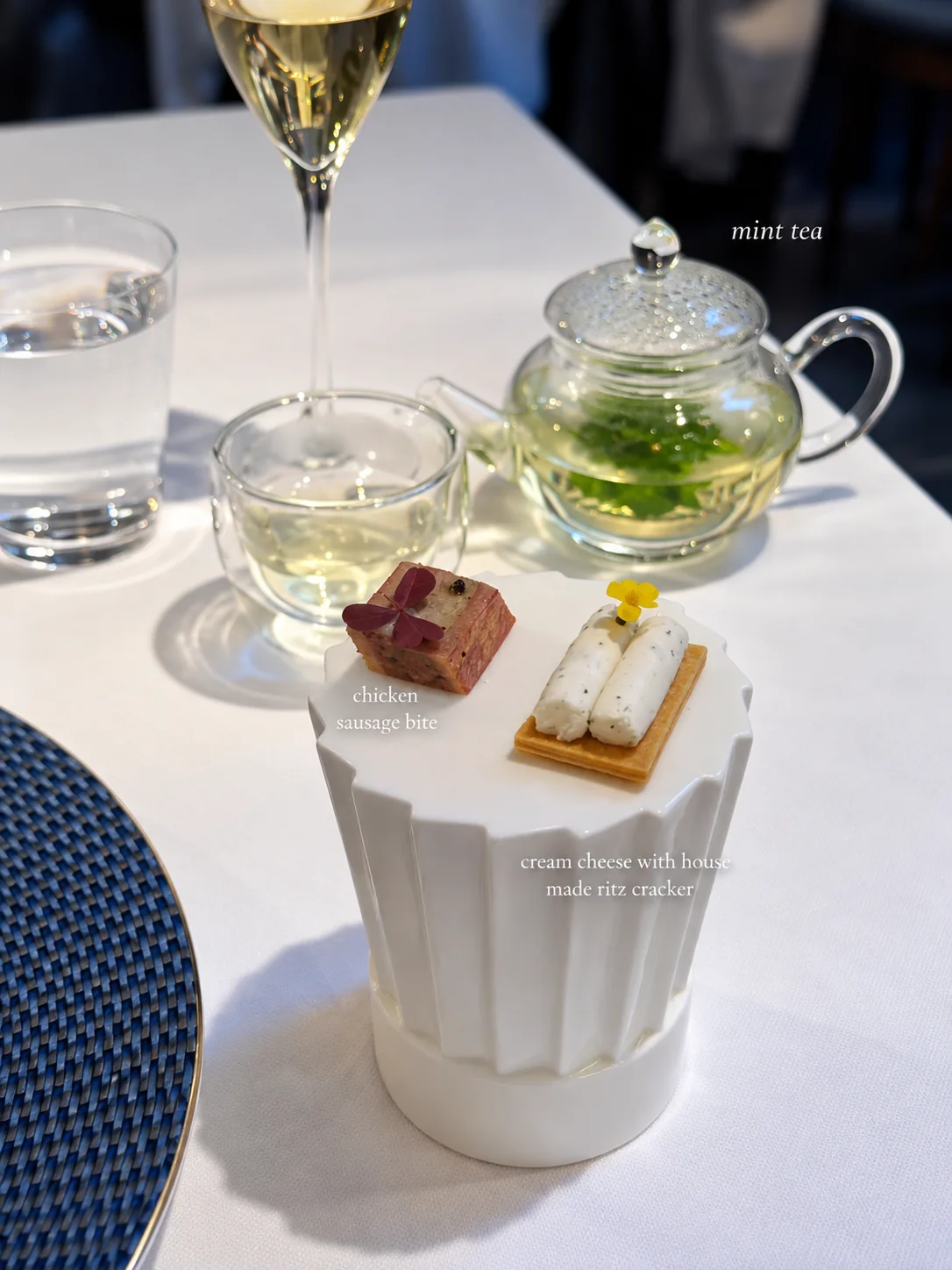
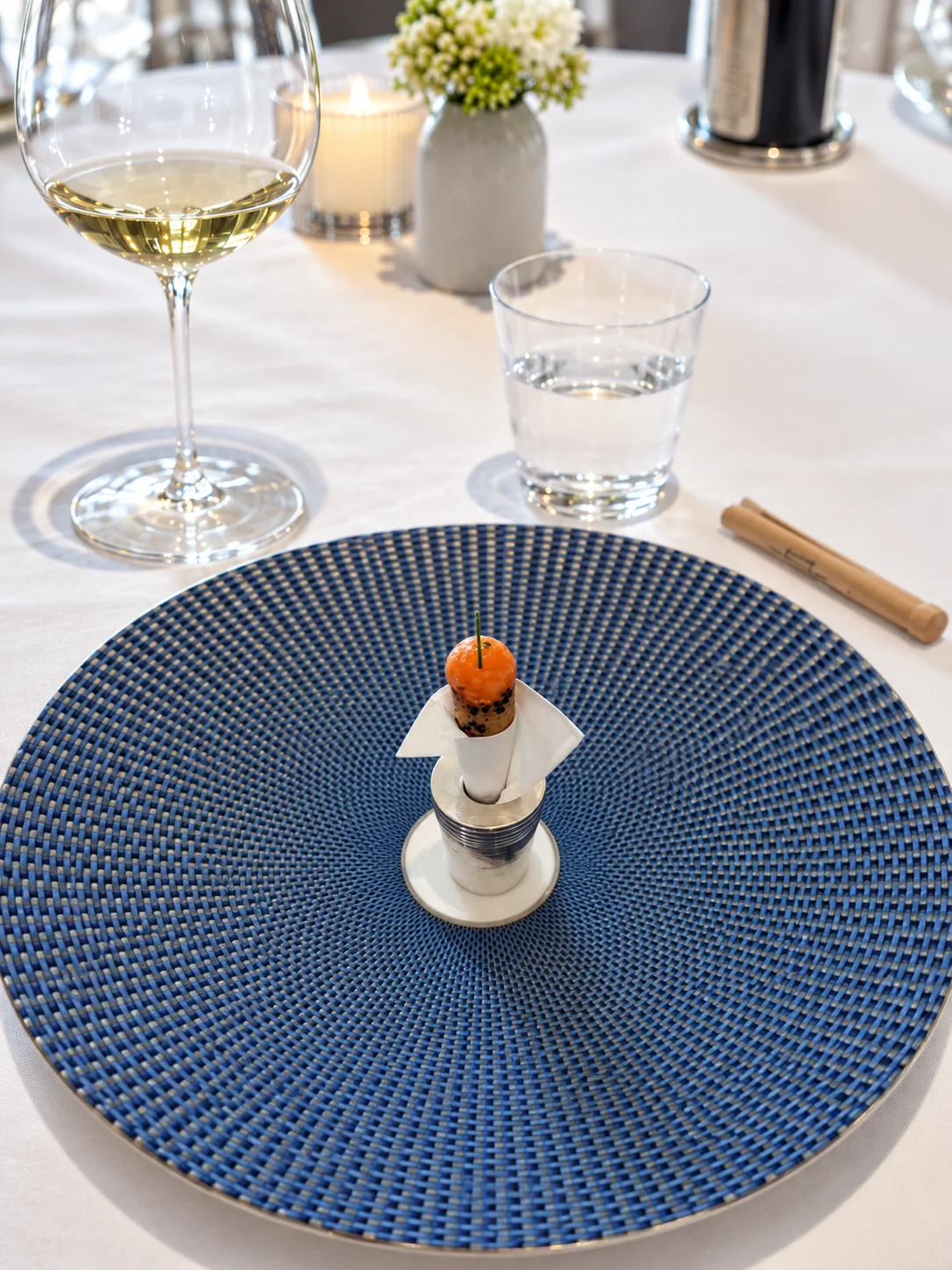
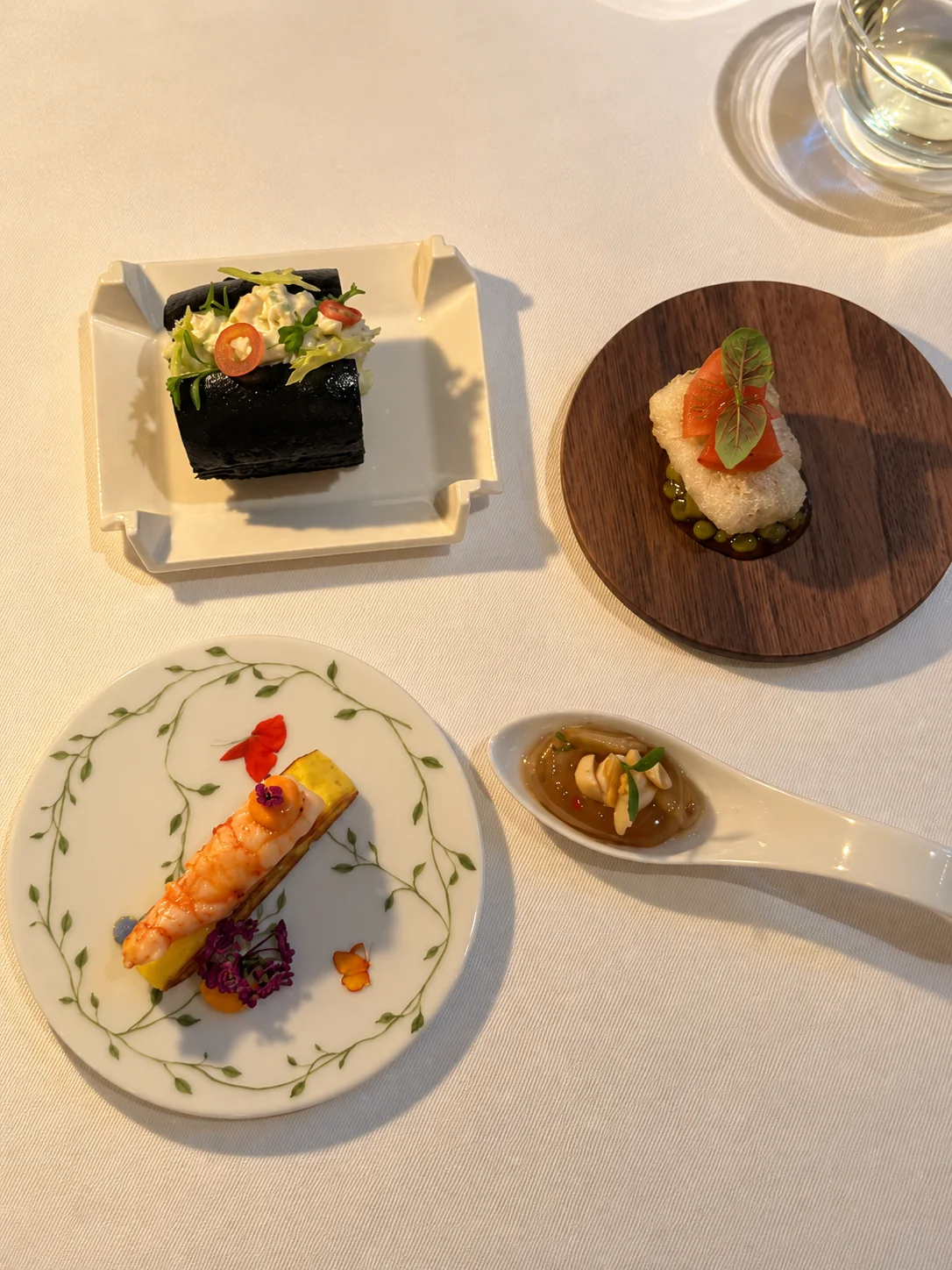
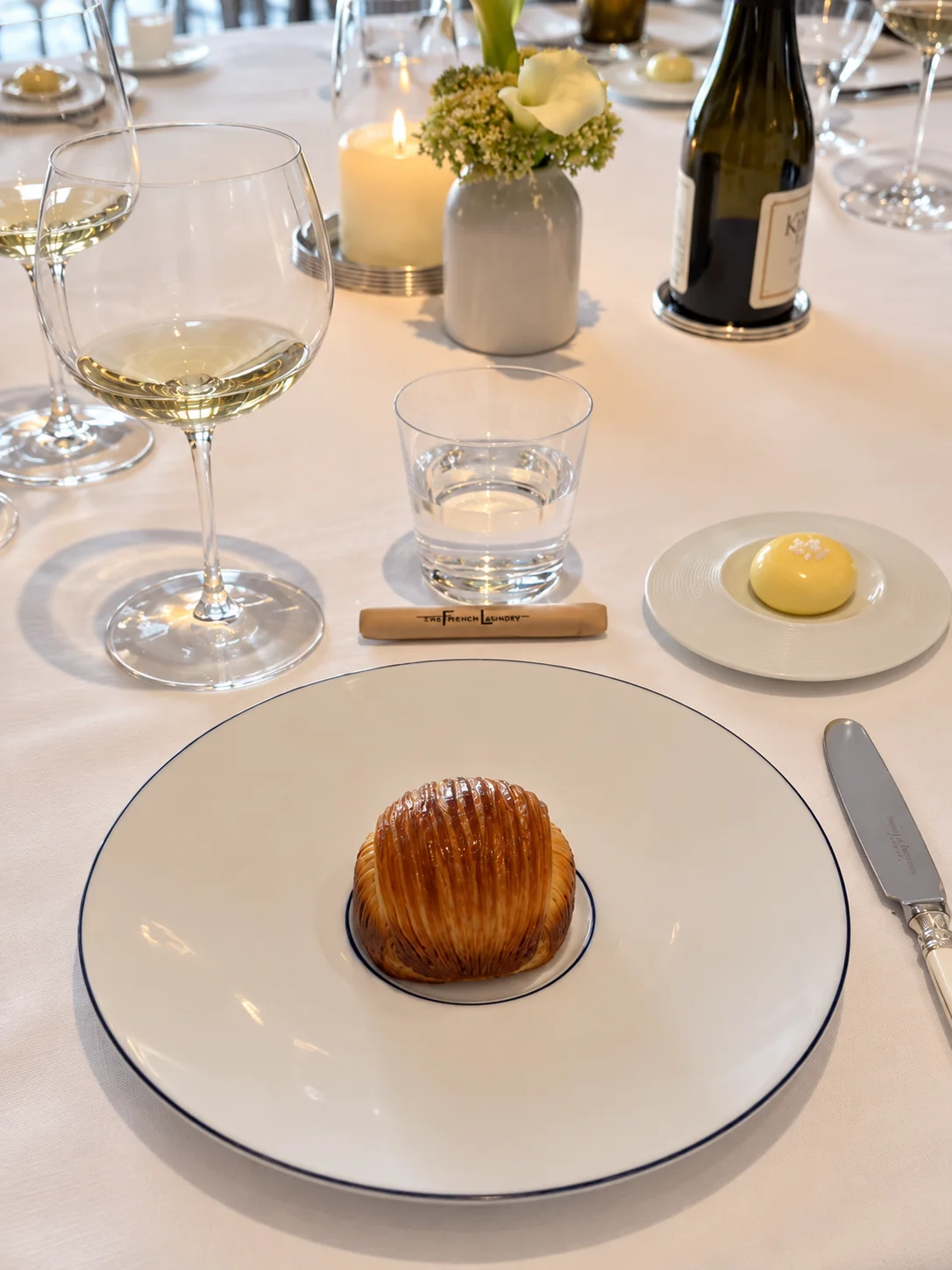
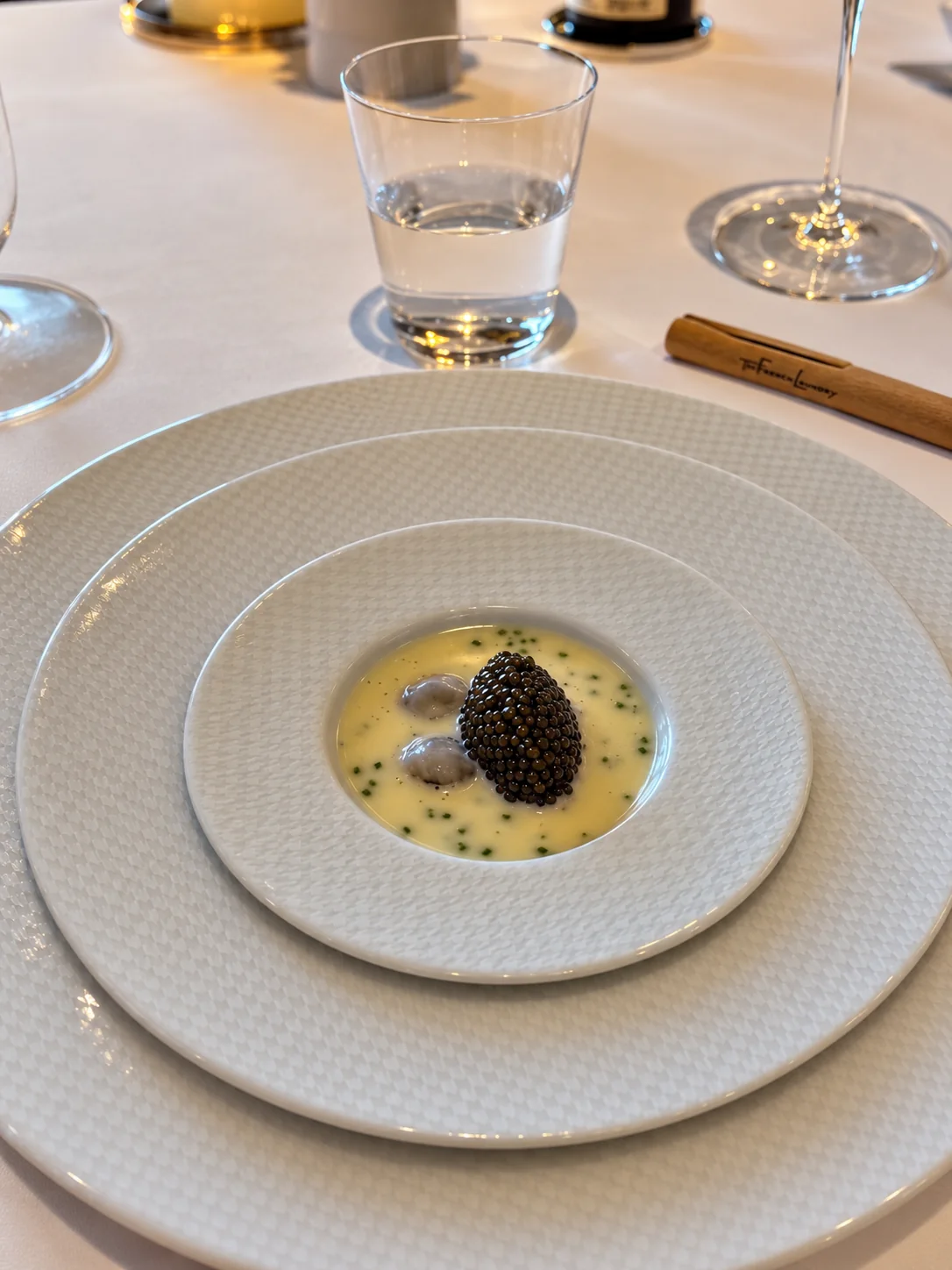
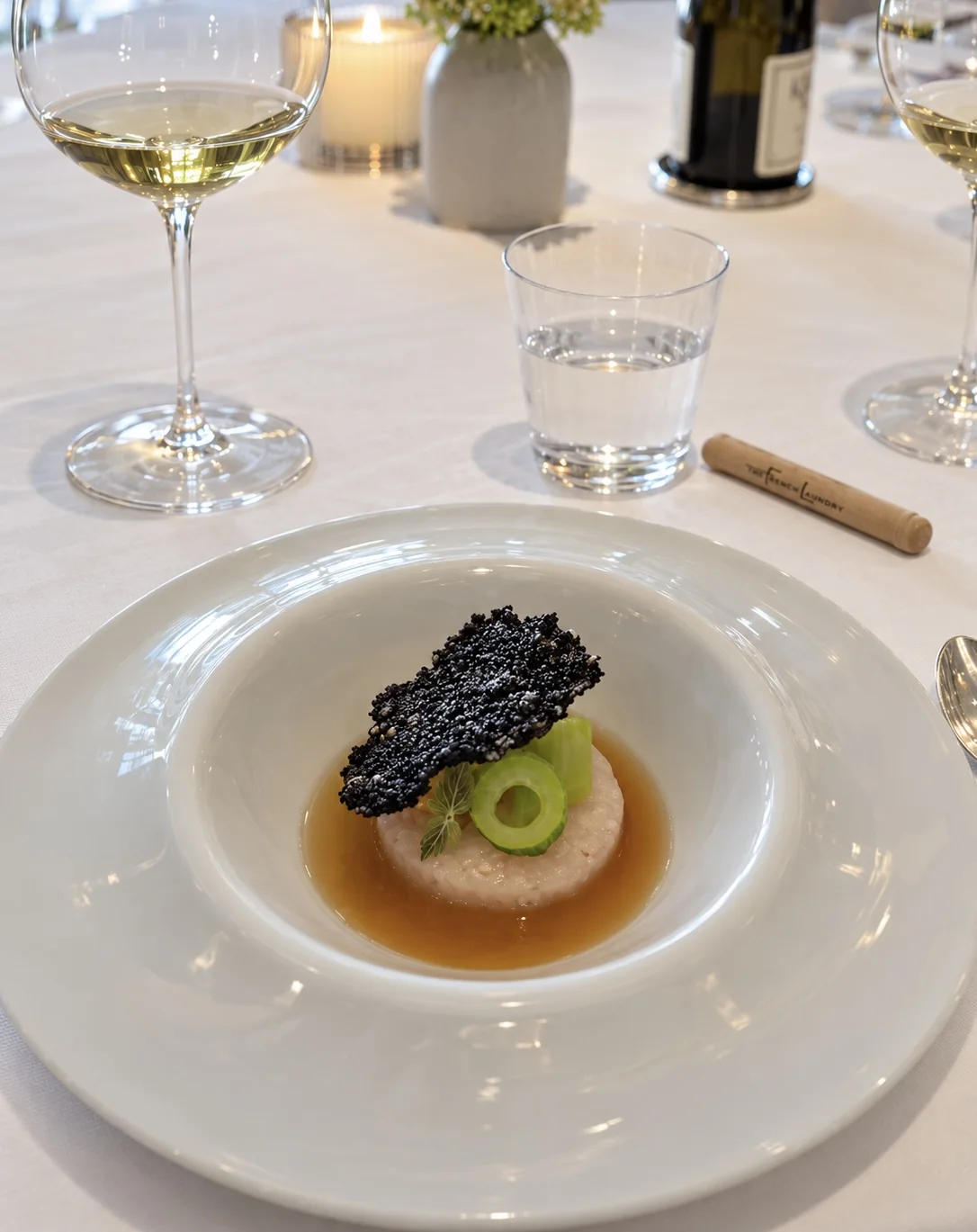
The payoff, in pictures
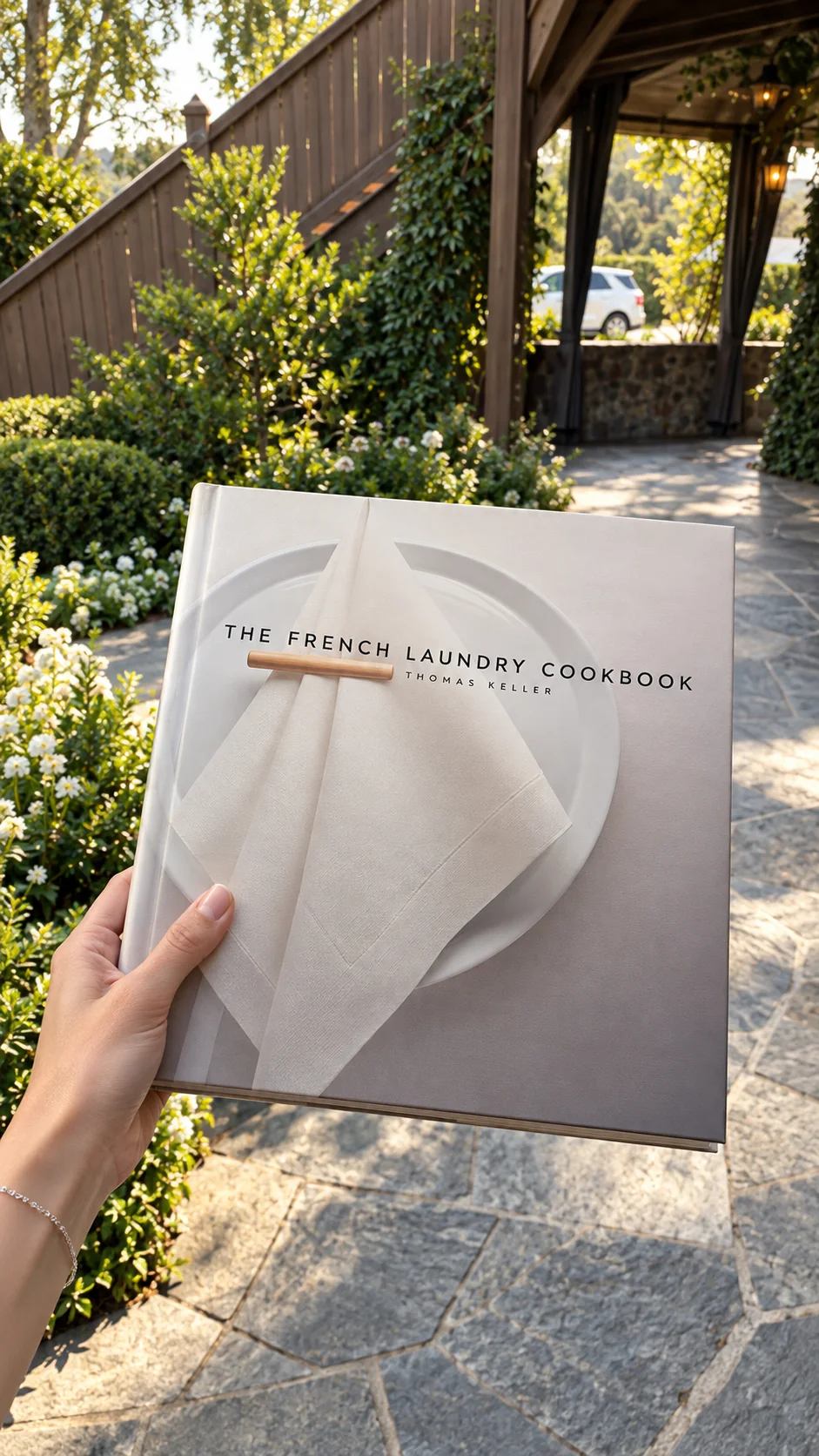
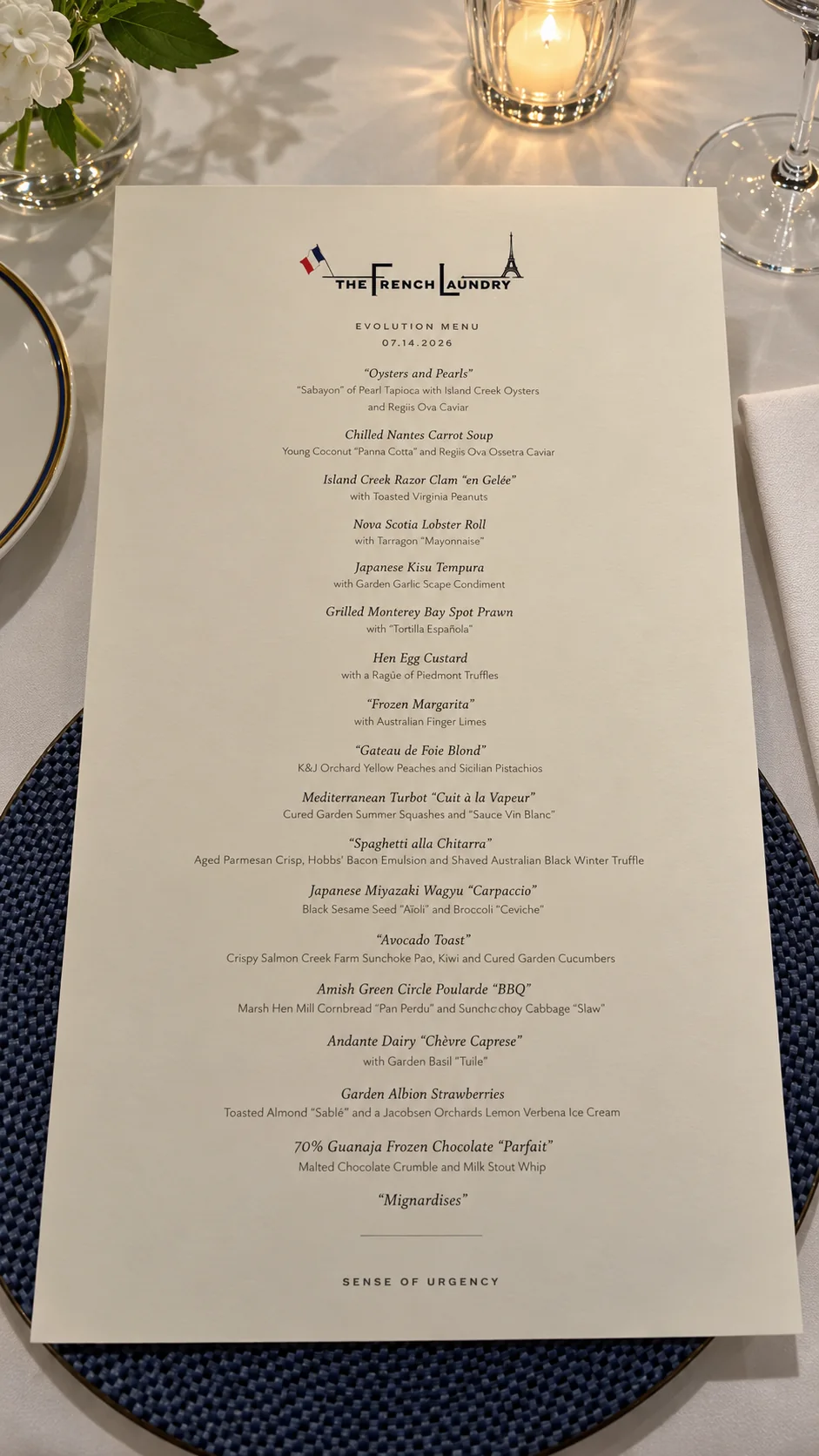
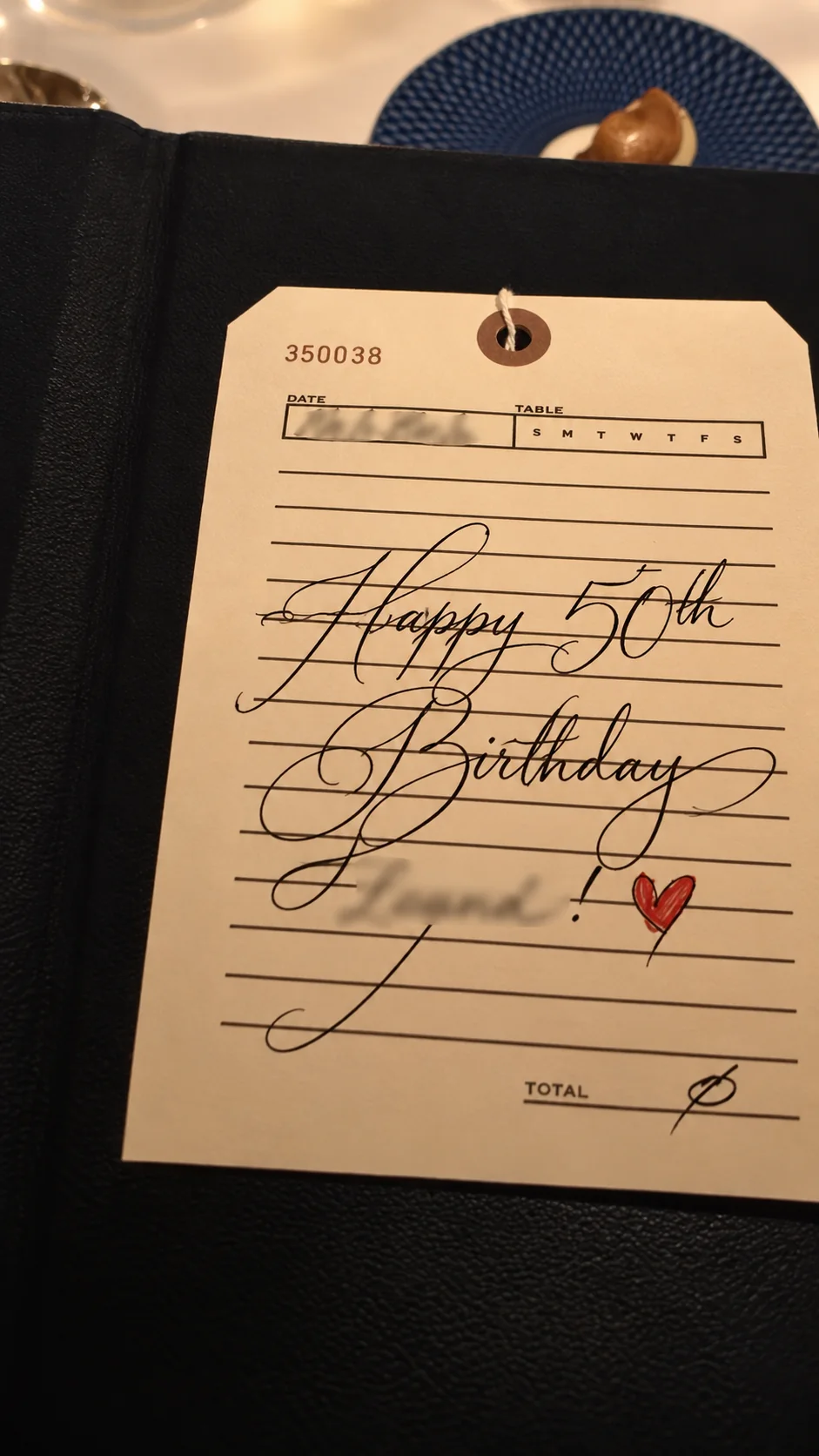
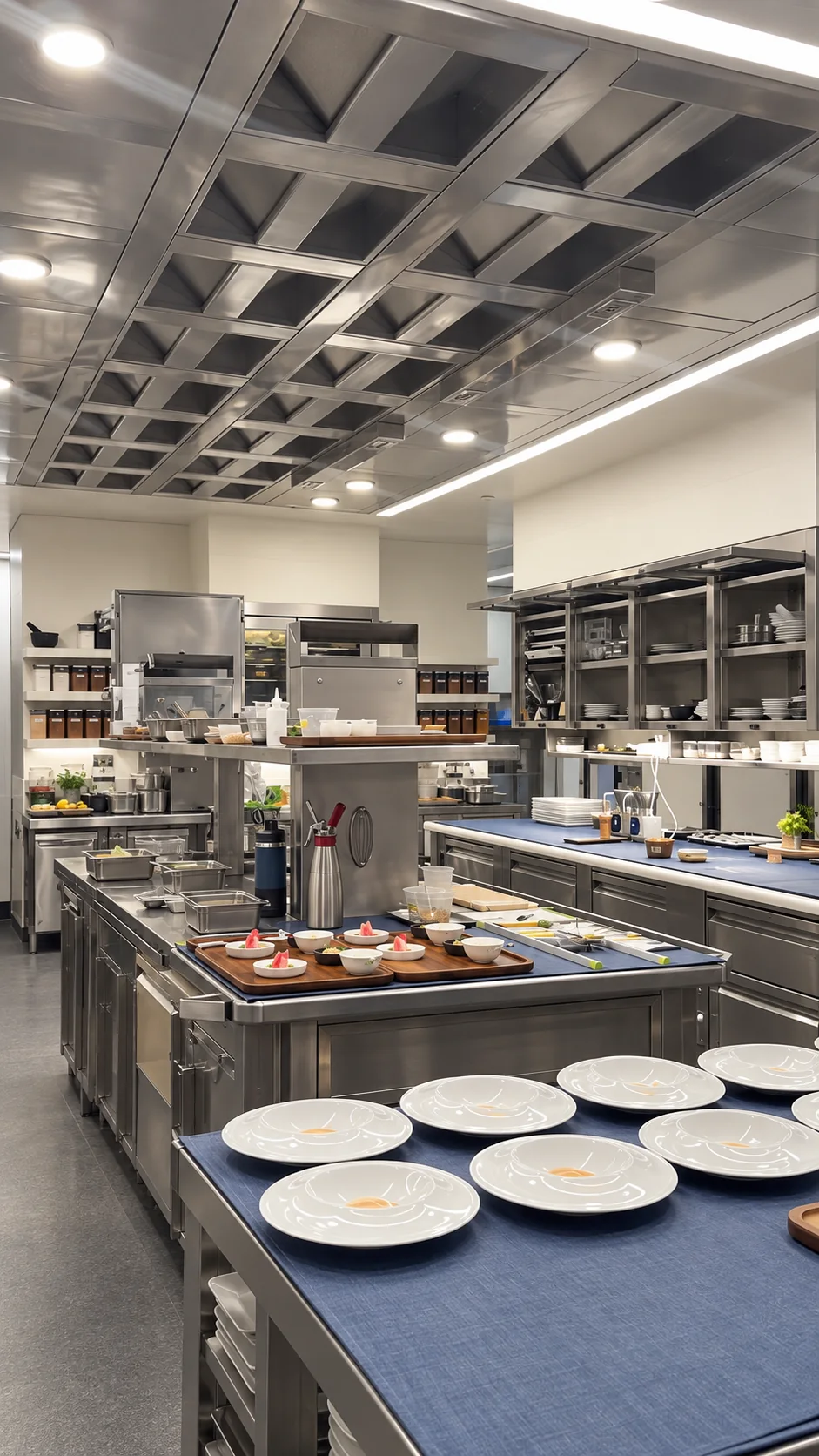
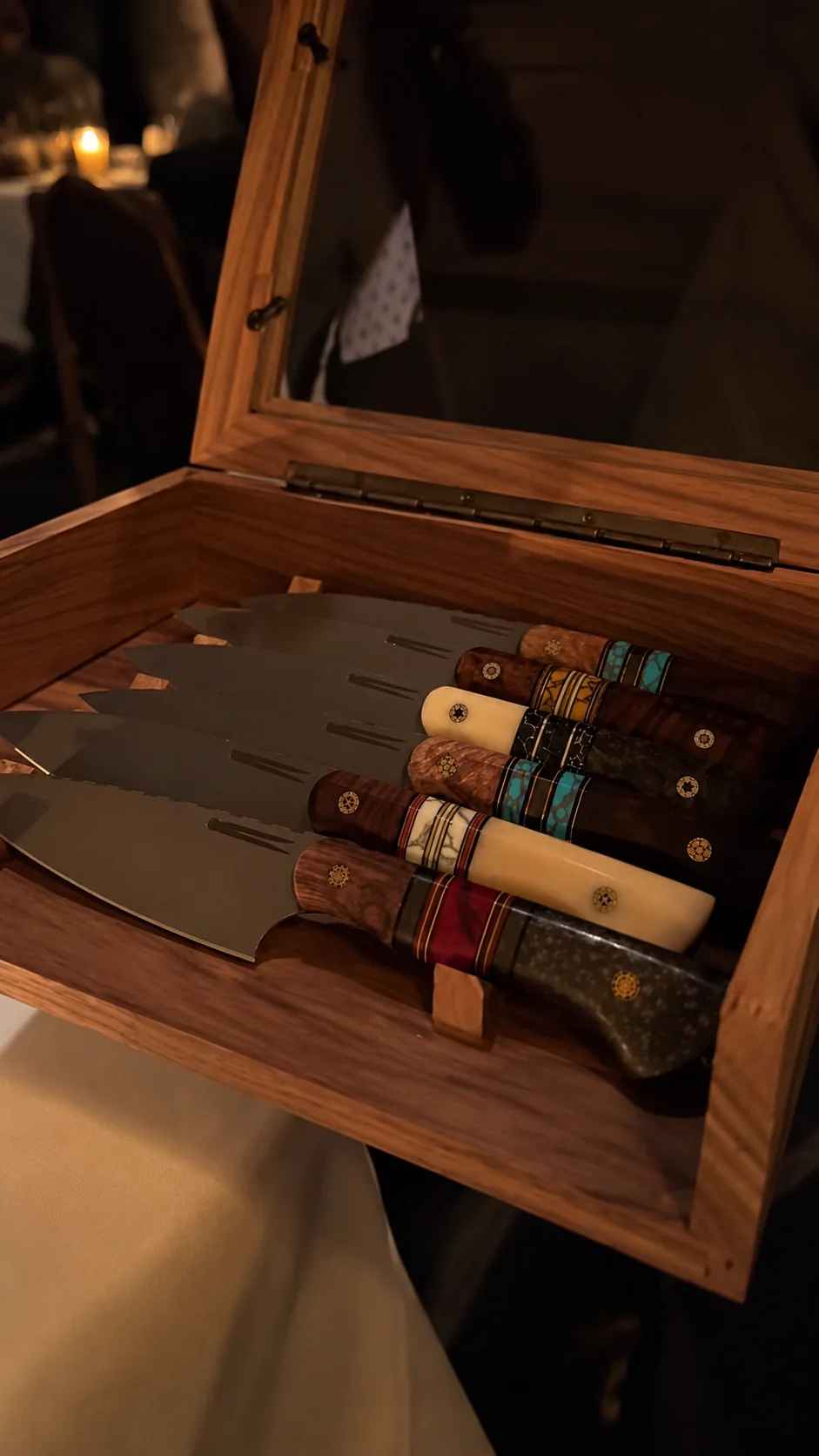
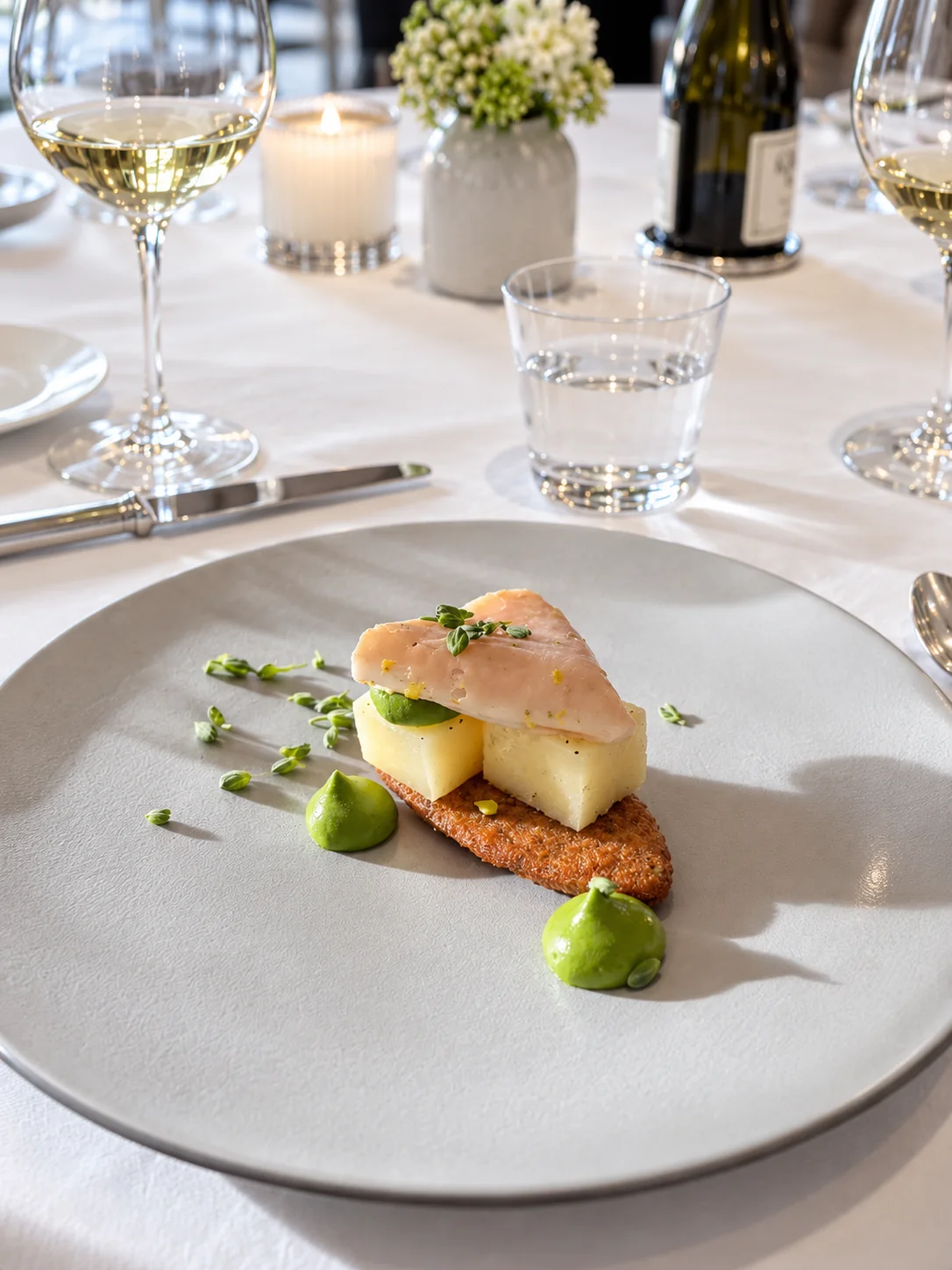
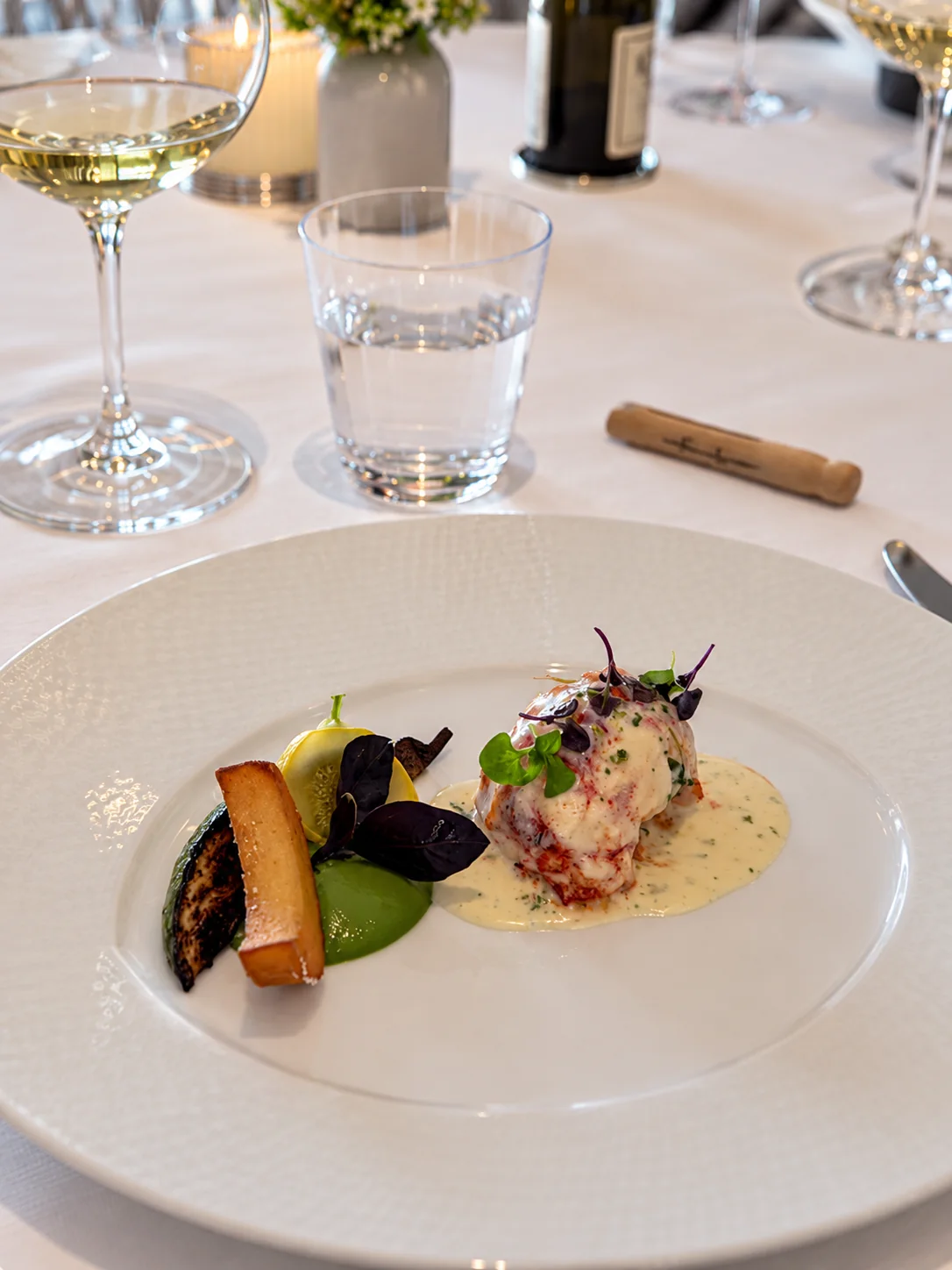
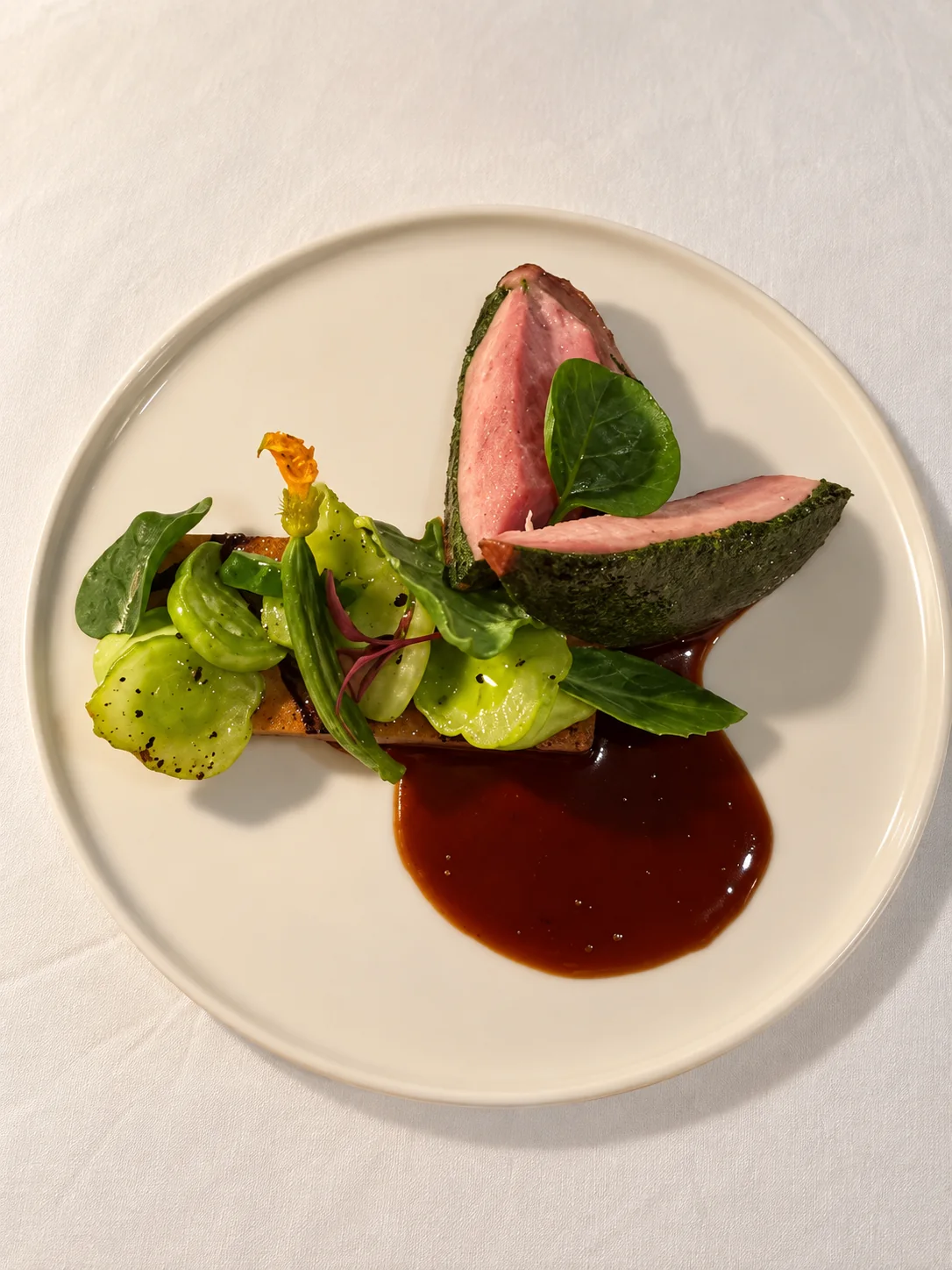
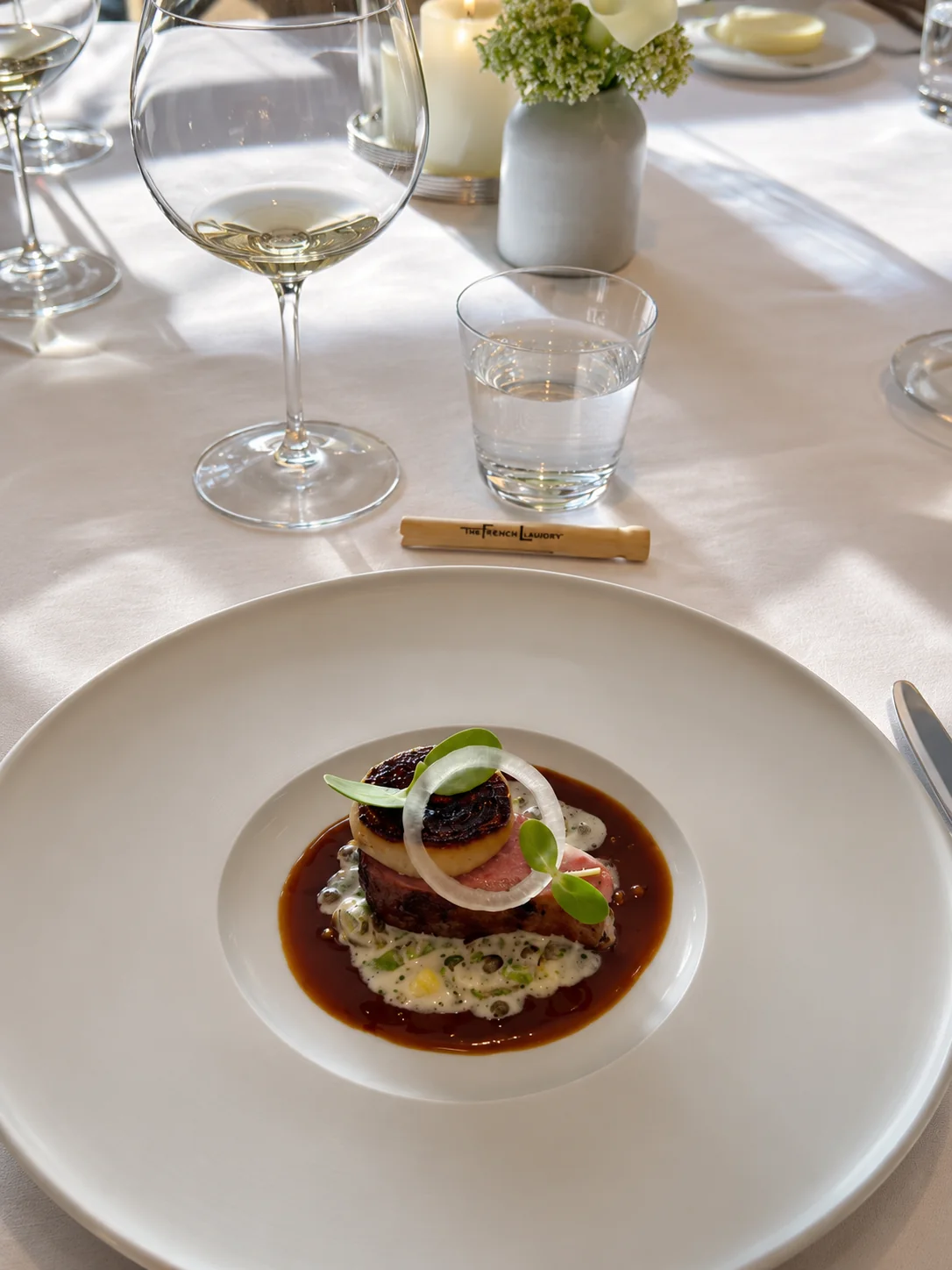
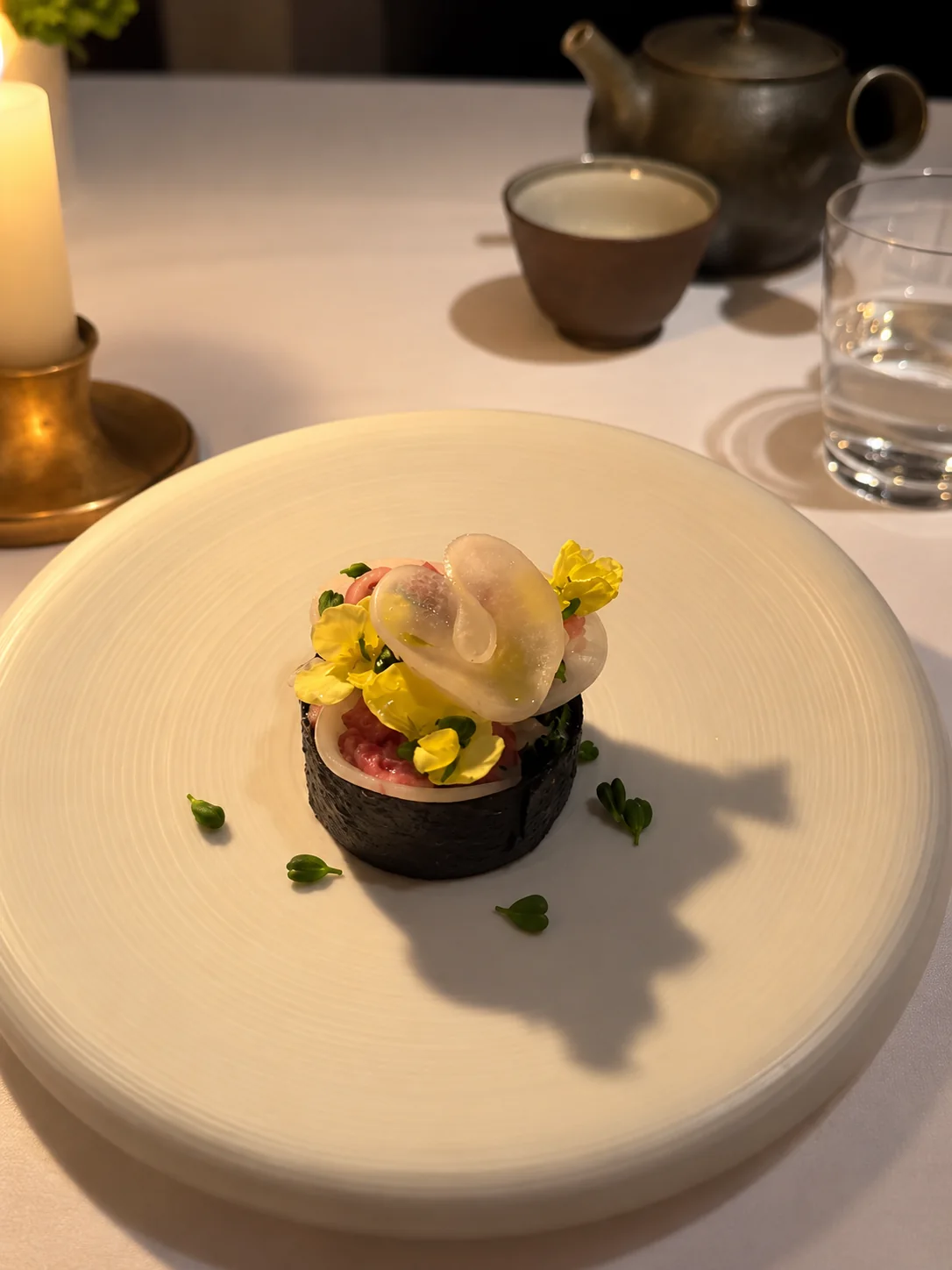
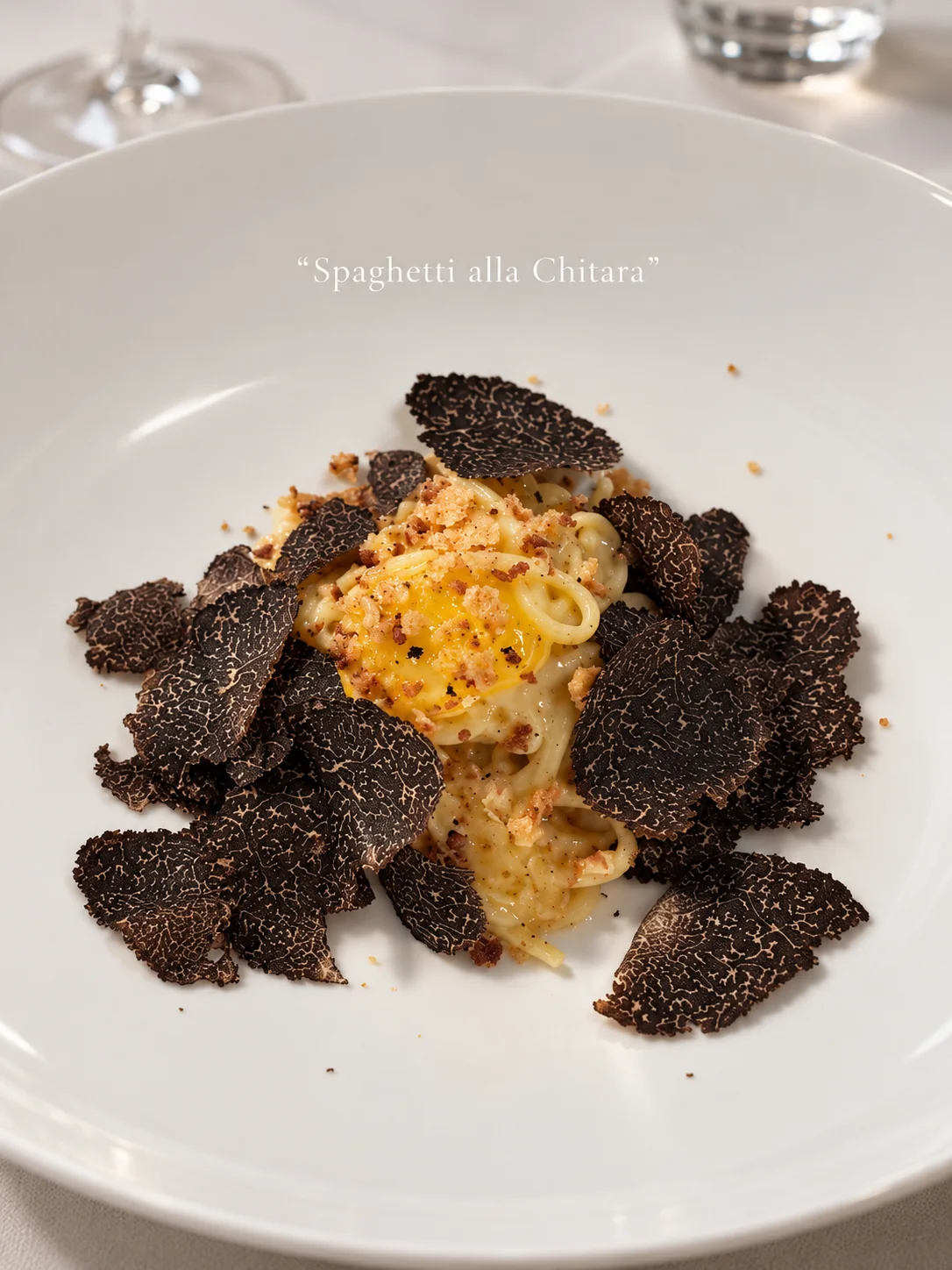
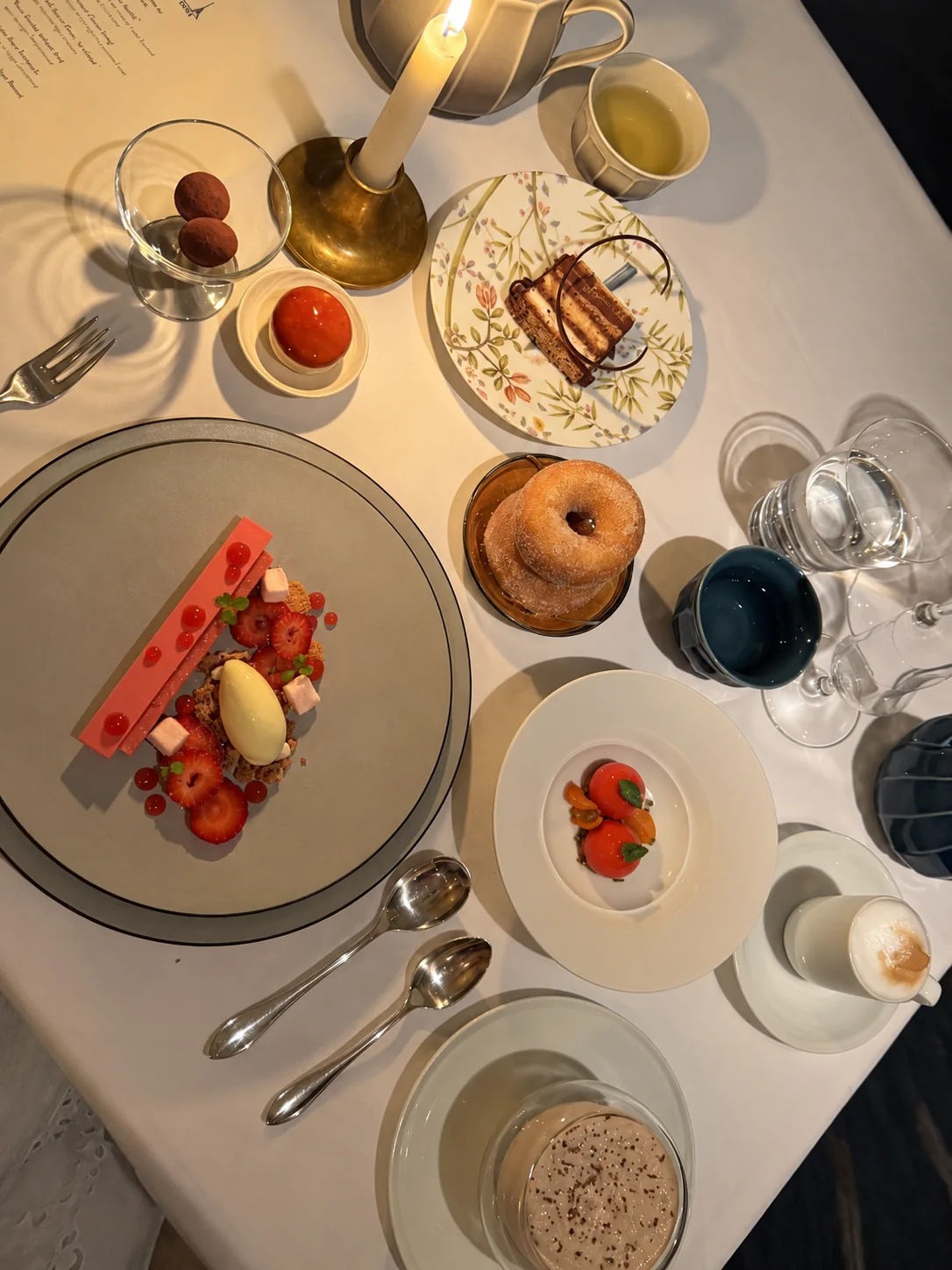
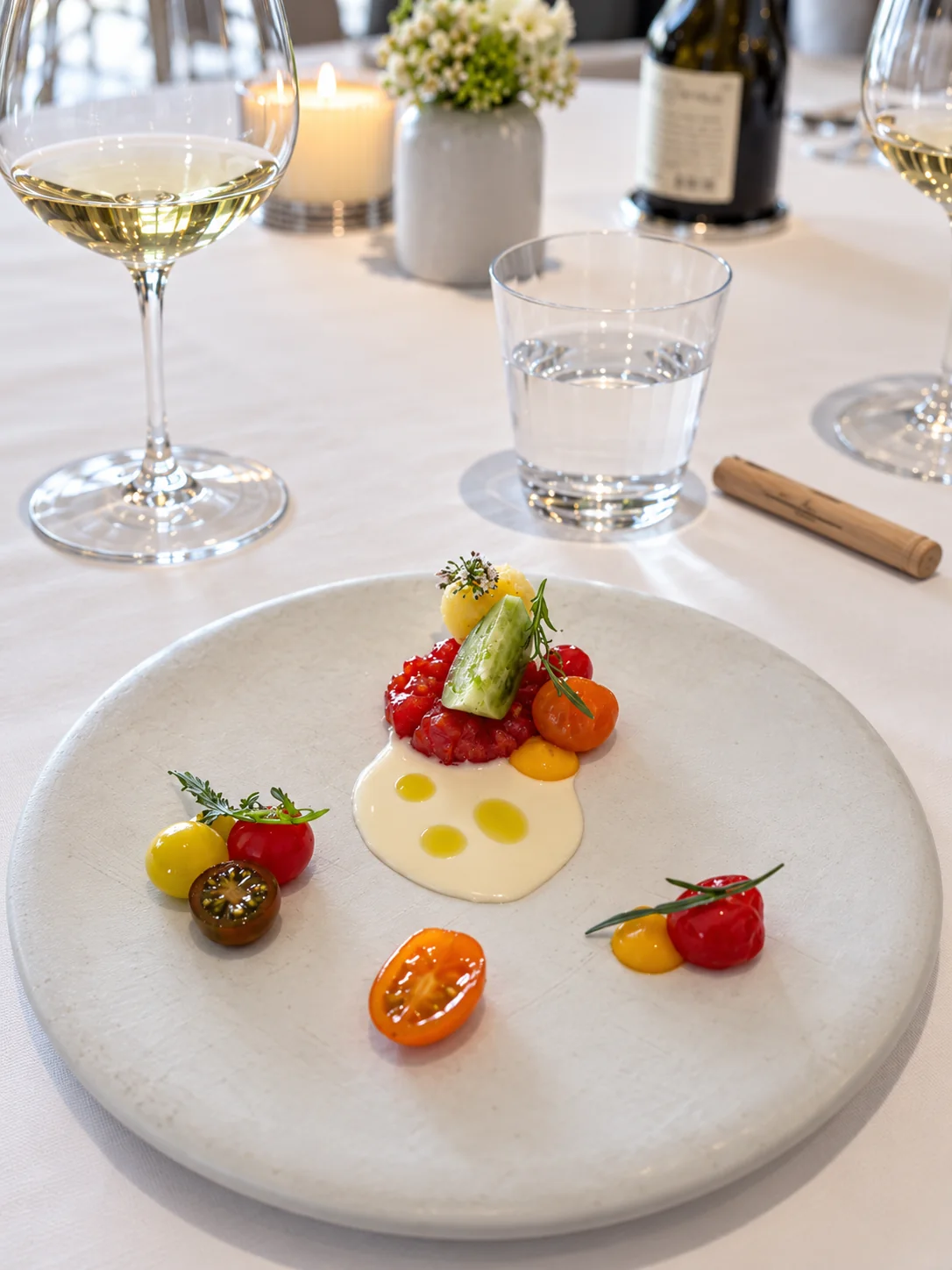
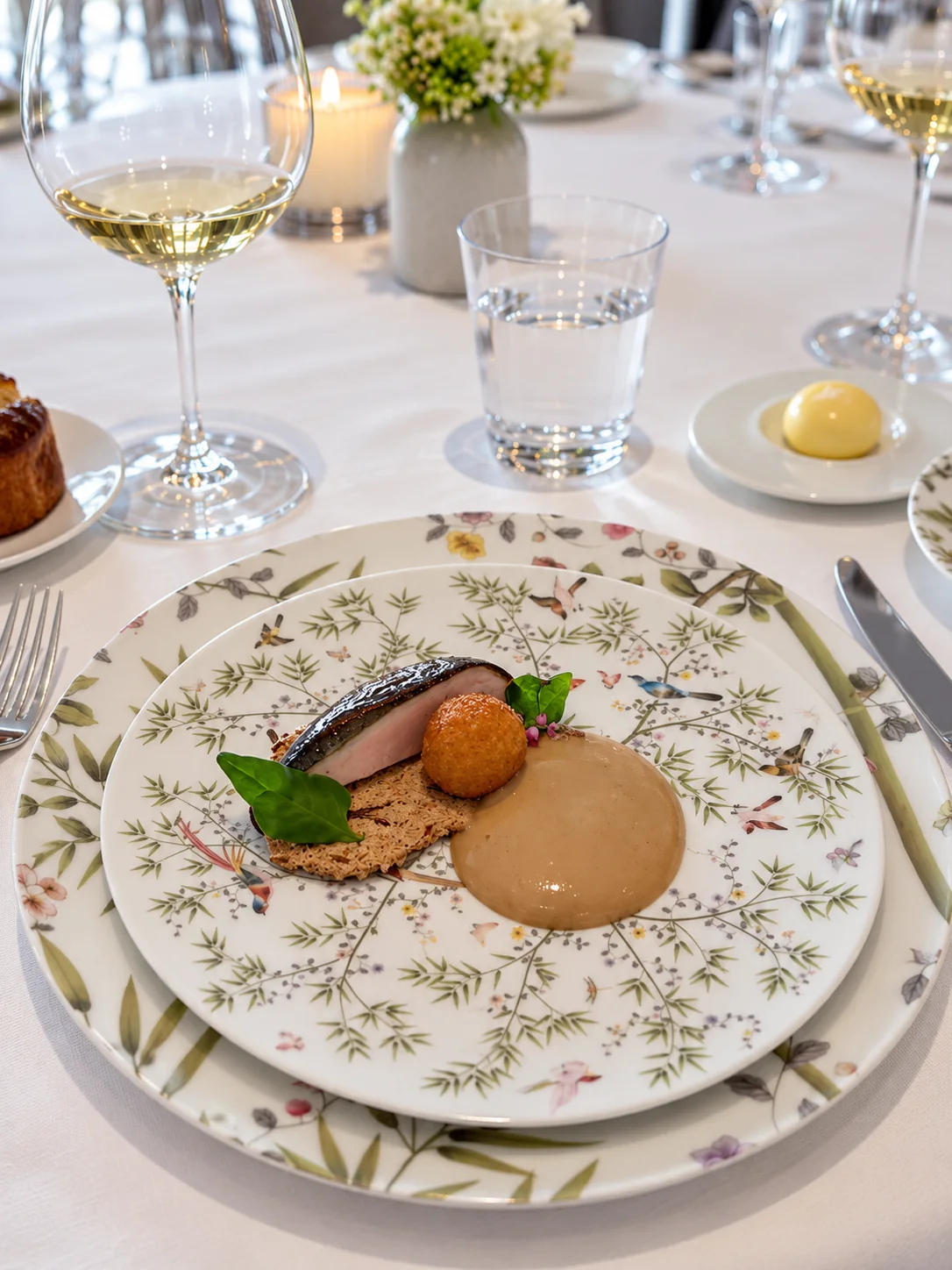
The French Laundry, in details.
The point of this story is the invisible work, but yes, the experience is very pretty once you actually make it inside.
A few details from the experience. Client-identifying information has been removed.



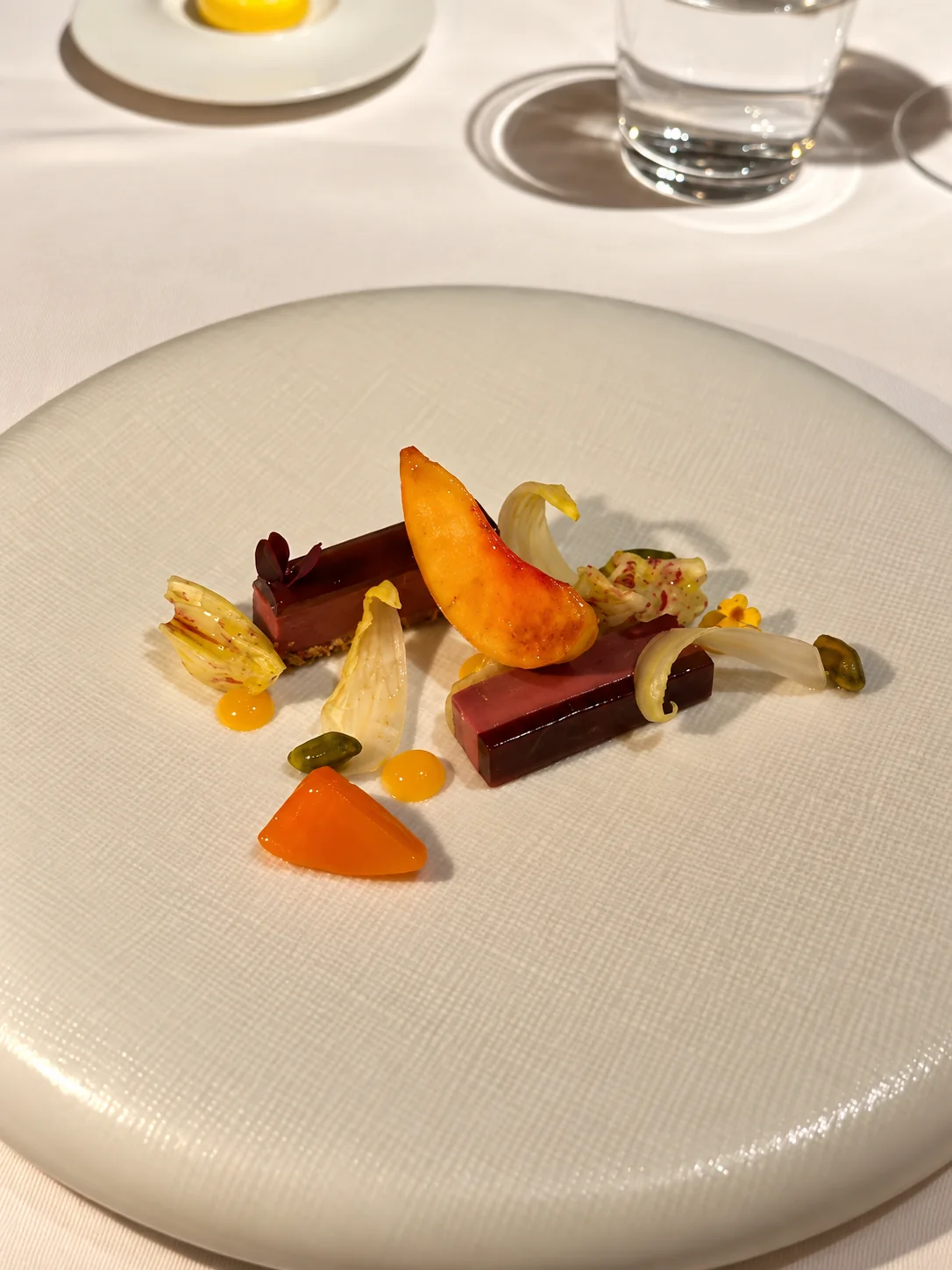
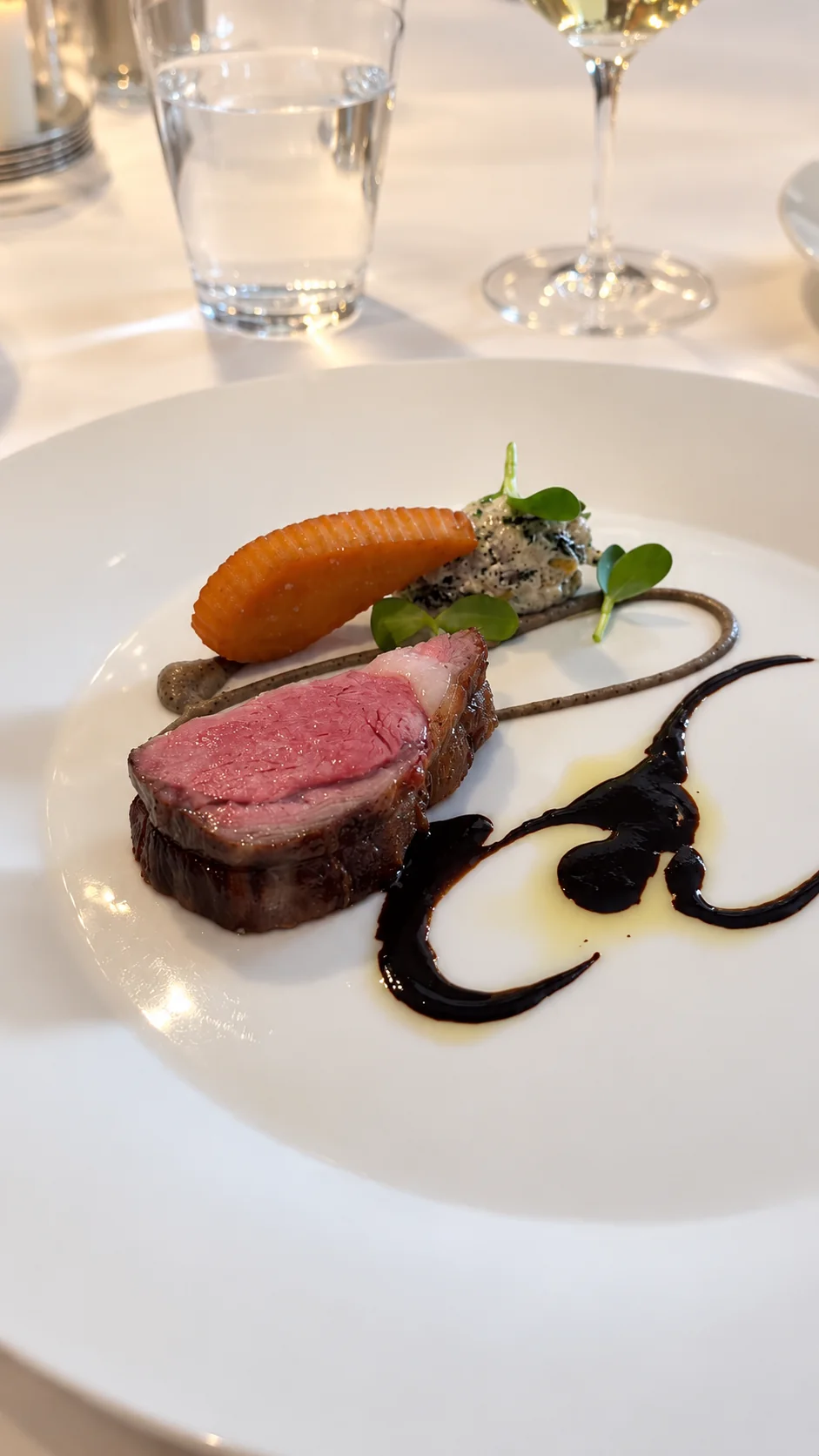
More from the evening
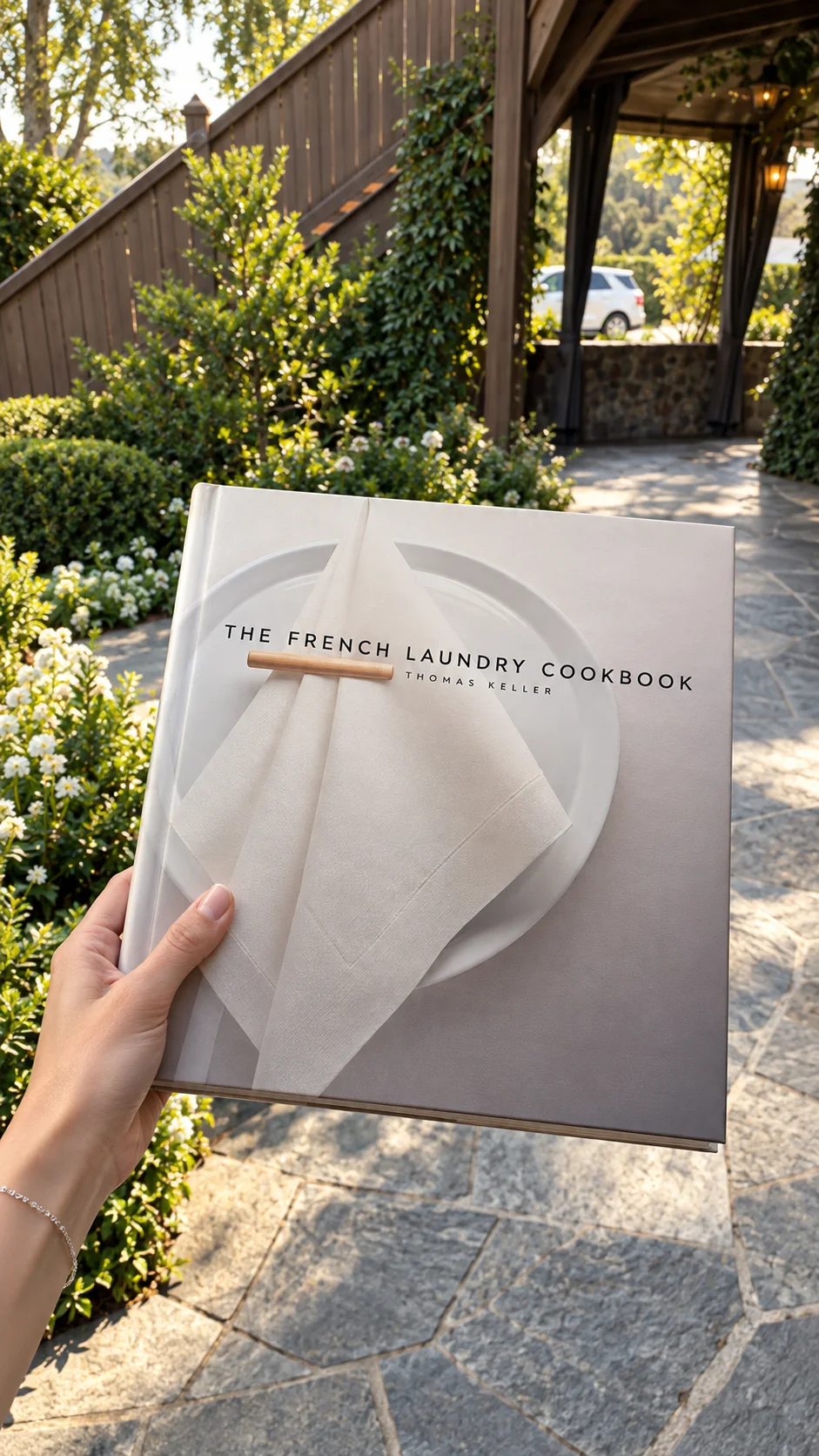
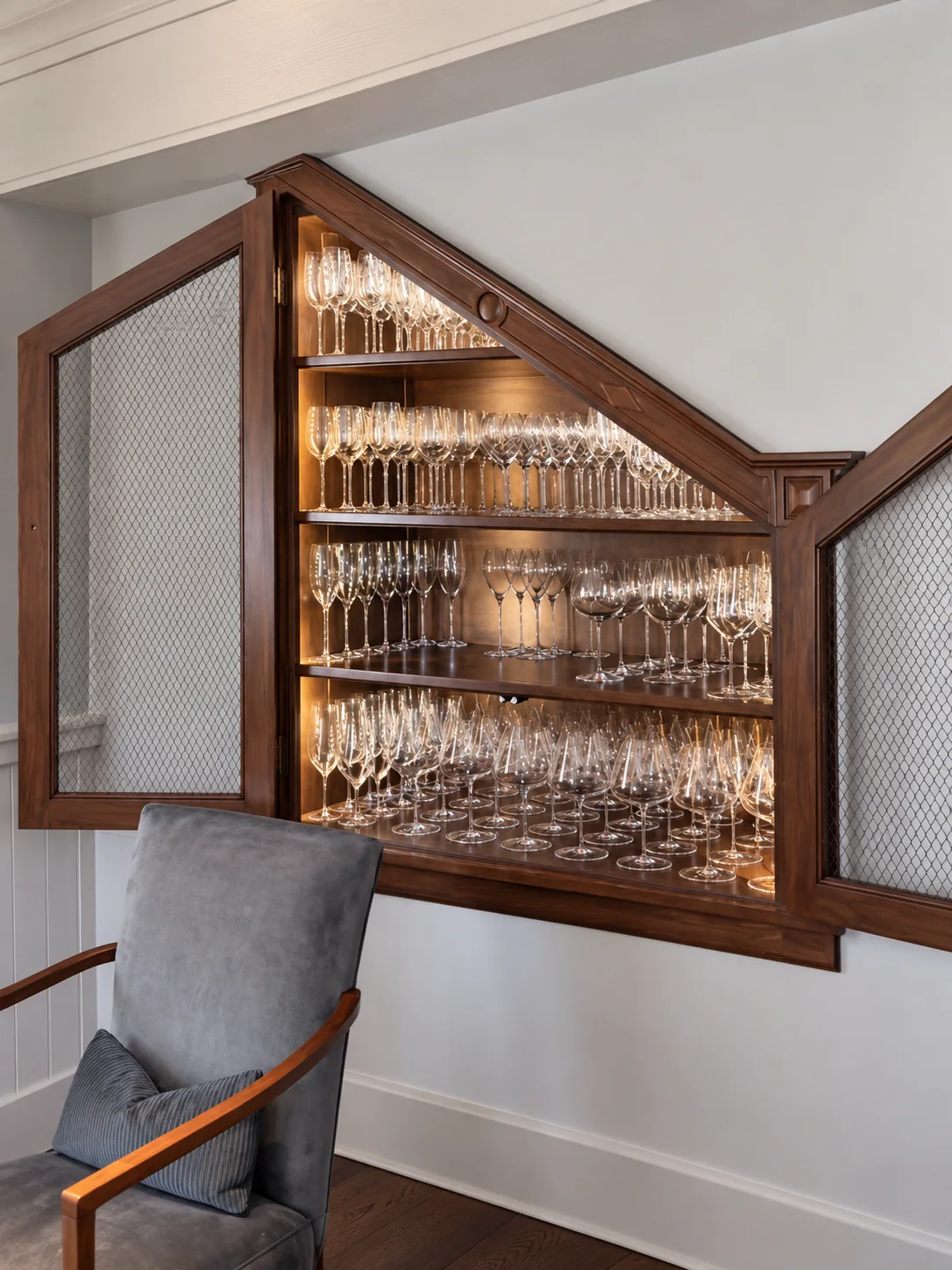
All of the remaining photos, kept compact so the gallery feels like one visual chapter instead of another entire page.











The part that matters beyond one restaurant
Good support requires judgment, not just organization.
One of the biggest things I have learned over more than a decade of supporting ultra-high-net-worth individuals and families is that lifestyle management is not just an immaculate calendar and a talent for remembering deadlines. It is judgment.
I sometimes describe coming into a new client’s life as doing a gut renovation of their systems. That does not mean ripping everything out because I assume my way is automatically better. A good renovation starts by looking at the bones: what works, what needs refreshing, what creates unnecessary friction, what the client wants visibility into, and what they never want brought to them again unless something is actually wrong.

Well, this is fantastic for me because the bar appears to be on the floor.
LOL. But there is a serious point underneath that.
Discretion is not the same thing as doing whatever you want because you have access. Good judgment means knowing when to act and when to stop.
If I already have a defined budget and decision-making authority and a low-risk, reversible opportunity is disappearing in front of me, I would rather secure it and immediately communicate what I did than stop during a thirty-second window to ask a question we have effectively already answered. Sometimes asking permission again is not safer support. Sometimes it is simply slower support.
But take that same philosophy into a major home renovation and the answer changes completely. If a contractor suddenly needs approval on something that could create a huge cost difference, permanently change the exterior of a home, or lock in a material the client will stare at every day, that is not my moment to say, “I used my discretion! Surprise!”
The goal is not to ask the client about every tiny thing. The goal is also not to confuse being trusted with being authorized to make every decision in their life. The skill is knowing the difference.
- Reservation window
- Concert-ticket drop
- Summer-camp opening
- Option already inside approved budget
- $50K material decision
- Permanent renovation finish
- Irreversible commitment
- Anything outside established authority
This is not really a restaurant story
The task list never shows the whole chain.
The French Laundry is just a particularly pretty example. This kind of thing comes up constantly in lifestyle management, and most of it looks deceptively simple once it is reduced to a task list.
The click might take five minutes. What those five minutes do not show is the research, changing policies, vetting, reminders, relationships, backup plans, spending parameters and decisions that had to happen beforehand.
It might be camp registration, a specialist appointment, concert tickets released while the client is on a flight, a college tour, a travel-sports hotel block, a seasonal rental, or a vendor whose calendar opens twice a year. None of these things necessarily require some wildly specialized skill. They require attention at exactly the right time.
My clients are perfectly capable of setting an alarm, making a reservation or buying their own tickets. That has never been the point. The point is that every single one of those things does not need to live in their brain.
That is the point
Handle your day.
Take the emergency meeting. Board the flight. Take care of your kid. Deal with whatever broke at the house. The thing we already knew mattered is still being handled in the background.
Sometimes my work involves major travel logistics, properties, renovations, events, budgets, staffing and projects with twenty moving pieces. And sometimes it involves sitting at my desk with multiple devices open, a sick toddler nearby, water damage being dealt with at home, houseguests, back-to-back calls, a doctor’s appointment fifteen minutes after the reservation drop, and a quiet prayer that a credit-card fraud algorithm does not decide to develop a personality that particular morning… because one milestone dinner in Yountville still needs to happen.
I take both seriously because the physical size of a task does not determine how much it matters to the person who asked me to handle it.
This one happened to involve a three-Michelin-star restaurant, a milestone 50th birthday, a prime Saturday during Napa Valley harvest season, almost a year of planning, and a booking window that could disappear before anyone had time to ask a follow-up question.
It was oddly specific, incredibly time-sensitive, and absolutely necessary. Exactly my kind of task.
Consider it handled!Consider it handled